Jehovah-Tsidkenu: the Lord our righteousness (Jeremiah 23)
Jehovah-Tsidkenu is Jeremiah’s name for the righteous Branch of David. What tsedeq means, why Jerusalem shares the name, and how Christ bears it.
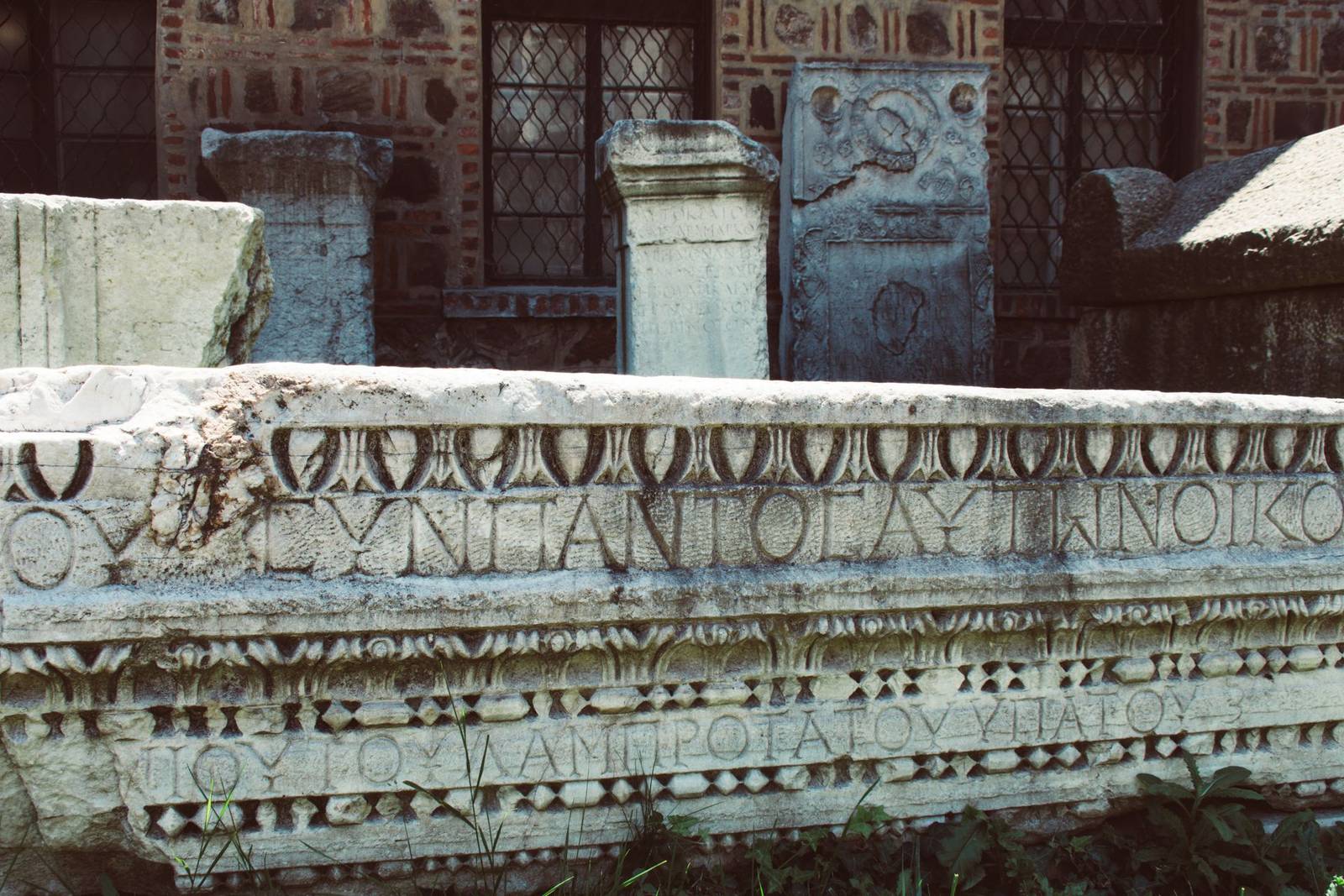
Jehovah-Tsidkenu means “Jehovah our righteousness”. In Jeremiah 23:6 it is the name by which the coming king, the “righteous Branch” raised up for David, will be called; in Jeremiah 33:16 the same name is given to Jerusalem, the city he rules. Unlike Jehovah-Jireh, Jehovah-Nissi and Jehovah-Shalom, it is not the name of an altar or a place from Israel’s early history but a prophetic name, spoken in the last years of the kingdom of Judah. It is still a phrase rather than a separate divine name: the one name Jehovah with a word of confession joined to it. The Hebrew word is tsedeq, righteousness or rightness, with the suffix “our”; English spellings vary (Tsidkenu, Tzidkenu, Tsidqenu), since transliteration of Hebrew is not fixed. Christians read the prophecy as coming true in Jesus Christ, the Son of David, who has become for his people their righteousness before God.
A king who would do what kings had failed to do
Jeremiah 23 opens with a woe against the shepherds, the rulers of Judah, who scattered the flock instead of tending it. Against that failure God promises a different kind of ruler:
Behold, the days come, saith Jehovah, that I will raise unto David a righteous Branch, and he shall reign as king and deal wisely, and shall execute justice and righteousness in the land.
— Jeremiah 23:5 (ASV)
In his days Judah shall be saved, and Israel shall dwell safely; and this is his name whereby he shall be called: Jehovah our righteousness.
— Jeremiah 23:6 (ASV)
The “Branch” is a new shoot from the stump of David’s house, which by Jeremiah’s time was close to being cut down. Many commentators point out a deliberate contrast. The last king of Judah was Zedekiah, whose Hebrew name means “Jehovah is my righteousness”. He bore the name and denied it by his conduct. The coming king would not only carry such a name but embody it, and he would share it with his people: not “my” righteousness but “our”.
The same name given to a city
Ten chapters later the promise is repeated, with a surprising change:
In those days, and at that time, will I cause a Branch of righteousness to grow up unto David; and he shall execute justice and righteousness in the land.
— Jeremiah 33:15 (ASV)
In those days shall Judah be saved, and Jerusalem shall dwell safely; and this is the name whereby she shall be called: Jehovah our righteousness.
— Jeremiah 33:16 (ASV)
Here it is the city that is called by the name. Interpreters have understood this in two complementary ways. The city bears the name because it belongs to the king who bears it, much as a bride takes her husband’s name. And the city bears it because the king’s righteousness has become the character of his people. What was true of him becomes true, by gift, of them.
What tsedeq means
Brown, Driver and Briggs give tsedeq the senses of rightness, righteousness and justice: conformity to a standard, and above all to the standard of God’s own character. In the Old Testament it is a relational and legal word. A righteous judge acquits the innocent and condemns the guilty; a righteous king protects the weak; a righteous person keeps faith with God and neighbour. God’s own righteousness includes his faithfulness to his covenant promises, which is why the prophets can speak of his righteousness as the thing that saves.
The pairing “justice and righteousness”, which appears in both passages, describes what a good king does. Israel’s kings had largely failed at it. The Branch would not fail.
The name comes true in Christ
The New Testament presents Jesus as the Son of David and the promised king, and the apostles apply the language of righteousness to him directly. Paul writes:
It is because of Him that you are in Christ Jesus, who has become for us wisdom from God: our righteousness, holiness, and redemption.
— 1 Corinthians 1:30 (BSB)
“Our righteousness” is almost exactly the word of Jeremiah. Paul also explains how Christ becomes righteousness for others:
God made Him who knew no sin to be sin on our behalf, so that in Him we might become the righteousness of God.
— 2 Corinthians 5:21 (BSB)
And he describes what this meant for him personally, as a man who had once relied on his own record:
and be found in Him, not having my own righteousness from the law, but that which is through faith in Christ, the righteousness from God on the basis of faith.
— Philippians 3:9 (BSB)
The name therefore joins two truths the whole Bible holds together. The king is Jehovah’s own righteousness come among his people, which is one reason Christians confess Jesus as truly God as well as truly man; the entry Is Jehovah the same as Jesus? explains the Trinitarian answer. And the king gives that righteousness to those who trust him.
Resting on a righteousness not our own
The practical force of the name is relief. Many people carry a quiet ledger in which they try to balance their failures with good deeds. Jehovah-Tsidkenu tells them that the ledger is not the basis of their standing with God. The Scottish minister Robert Murray M’Cheyne wrote a well-known hymn titled “Jehovah Tsidkenu” (1834) on exactly this discovery.
That relief is not an excuse for carelessness. The Branch executes justice and righteousness in the land, and those who belong to him are called to do the same: to deal honestly, to protect the vulnerable, to keep their word. Righteousness received becomes righteousness lived. For the promise of God dwelling with his people in the renewed city, see Jehovah-Shammah; for the peace that follows from being right with God, see Jehovah-Shalom.
Where Christians differ
Christians agree that righteousness comes from God, is found in Christ and is received by faith. They differ in explaining how it becomes ours. Lutheran and Reformed churches, following the Westminster Confession and the Heidelberg Catechism, teach that Christ’s righteousness is imputed, credited to the believer, as the ground of justification. The Catholic Church, as set out at the Council of Trent, teaches that justifying righteousness is infused, making the believer inwardly just. Orthodox Christians speak of union with Christ and participation in the divine life. This site holds the Reformation view while recognising that all three traditions confess that no one is righteous before God except in Christ. Jewish interpreters read the Branch as a future Davidic king.
For reflection
Read Jeremiah 23:1–8 and Philippians 3:4–11. Ask honestly what you have been relying on to stand before God, and bring it to him in prayer. Thank him for a righteousness given rather than earned. Then look for one concrete act of justice or kindness this week, and worship with a church that preaches Christ as our righteousness.
References
- Brown, Driver and Briggs, A Hebrew and English Lexicon of the Old Testament (1906), entry tsedeq.
- Keil, Biblical Commentary on the Prophecies of Jeremiah (English translation, 1880).
- Matthew Henry, Commentary on the Whole Bible (1708–1710), on Jeremiah 23 and 33.
- The Westminster Confession of Faith (1646), chapter 11, “Of Justification”.
- John Calvin, Institutes of the Christian Religion (1559), book 3.
Lexicon answers from the Bible and public-domain reference works. It is a study aid and is not affiliated with any organisation.