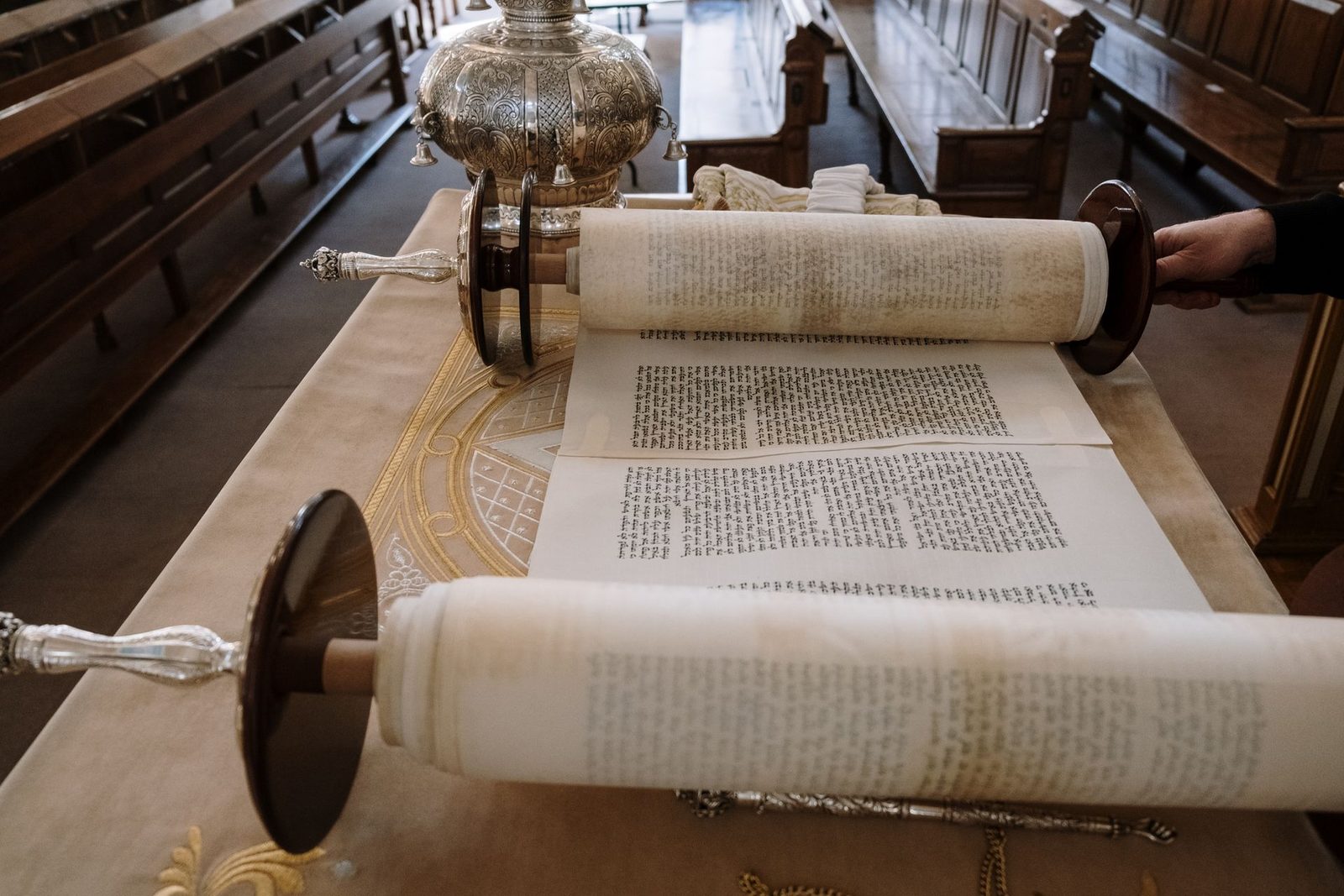
God has a name because he is personal and because he wants to be known. A force, a principle or a first cause has no need of a name; you can describe it, but you cannot speak to it. The God of the Bible is different. He speaks, makes promises, keeps covenant, hears prayer and invites his people to call upon him. In the ancient world a name was not just a label but a summary of someone’s character and reputation, and the way to address them. When God gave Moses his name, rendered in English as Jehovah, he was not only answering a question about vocabulary; he was opening a relationship. He tied the name to his faithfulness to Abraham, Isaac and Jacob, proclaimed its meaning in words of mercy and justice, and commanded that it be remembered for ever. In the New Testament Jesus says he has made that name known, and teaches his followers to pray that it be hallowed.
A name makes relationship possible
Think of the difference between knowing about someone and knowing them. You may know that a person exists, what they do and where they live, but until you know their name you cannot really address them. A name is the doorway to conversation.
Scripture presents God as the one who takes the first step through that doorway. At the burning bush Moses asked what he should say when the Israelites asked who had sent him, and God answered:
And God said moreover unto Moses, Thus shalt thou say unto the children of Israel, Jehovah, the God of your fathers, the God of Abraham, the God of Isaac, and the God of Jacob, hath sent me unto you: this is my name for ever, and this is my memorial unto all generations.
— Exodus 3:15 (ASV)
The name is given with a history attached. It is the name of the God who called Abraham, kept his promises to Isaac and wrestled with Jacob. Israel is not invited to worship an unknown power but to trust a God who has already acted for them. The entry Exodus 3:14 and Exodus 6:3: how the name was revealed looks at this scene more closely.
What names meant in the ancient world
In the Bible names often carry meaning. Abram becomes Abraham, “father of a multitude”; Jacob becomes Israel after wrestling with God. To know someone’s name was to have a measure of access to them, which is why Jacob asked the stranger at the Jabbok for his name and was refused. To act “in someone’s name” was to act with their authority. A person’s “name” could also mean their reputation, as when we say someone has made a name for themselves.
All of these senses apply to God. His name tells us something of who he is; the entry What does Jehovah mean? traces its link with the verb “to be”. His name carries his authority, so prophets speak and priests bless in it. And his name is his reputation among the nations, which is why Scripture speaks of God acting “for his name’s sake”.
The name proclaimed: mercy and justice
The fullest explanation of the name comes not at the burning bush but on Mount Sinai, after Israel’s failure with the golden calf. God does not simply repeat the word; he proclaims what it means:
And Jehovah descended in the cloud, and stood with him there, and proclaimed the name of Jehovah. And Jehovah passed by before him, and proclaimed, Jehovah, Jehovah, a God merciful and gracious, slow to anger, and abundant in lovingkindness and truth; keeping lovingkindness for thousands, forgiving iniquity and transgression and sin; and that will by no means clear the guilty, visiting the iniquity of the fathers upon the children, and upon the children’s children, upon the third and upon the fourth generation.
— Exodus 34:5-7 (ASV)
This is the name’s content: mercy, grace, patience, steadfast love, faithfulness, forgiveness and justice. The rest of the Old Testament returns to these words again and again. To know God’s name is to know this character, and so the psalmist can say:
And they that know thy name will put their trust in thee; For thou, Jehovah, hast not forsaken them that seek thee.
— Psalm 9:10 (ASV)
Knowing the name leads to trust. The name is not a magic word to be used for power; it is a revelation of a person who can be relied upon.
The name and the people who bear it
God’s name is also bound to the people he calls his own. Through Isaiah he speaks to a people in exile:
But now thus saith Jehovah that created thee, O Jacob, and he that formed thee, O Israel: Fear not, for I have redeemed thee; I have called thee by thy name, thou art mine.
— Isaiah 43:1 (ASV)
The God who has a name knows his people by name. Relationship runs both ways. This is part of what the Bible means by covenant: a bond in which God gives himself to his people and takes them as his own.
How Jesus made the name known
In the New Testament the name is not left behind. Jesus teaches his disciples to begin their prayers with it:
So then, this is how you should pray: ‘Our Father in heaven, hallowed be Your name.
— Matthew 6:9 (BSB)
To hallow a name is to treat it as holy, to honour it in speech and in life. And on the night before he died, Jesus spoke to the Father of what his whole ministry had done:
I have revealed Your name to those You have given Me out of the world. They were Yours; You gave them to Me, and they have kept Your word.
— John 17:6 (BSB)
Jesus revealed the name not by teaching a pronunciation but by showing who God is. In him the mercy, grace and faithfulness proclaimed at Sinai became visible in a human life. He is the eternal Son, fully God and fully man, who shares the divine name and brings us to the Father. Through faith in him, by grace, we come to know God not only as Jehovah but as “our Father”.
Living with a God who has a name
In practice, this means prayer can be personal. You do not have to address God as a distant power; you may speak to him by name, as the psalmists did, and as Jesus taught, as Father. It means your trust can rest on his revealed character rather than on guesswork. And it means your own life becomes part of how his name is honoured or dishonoured in the world, which is why the third commandment matters (see Is it wrong to say Jehovah?).
For reflection
Read Exodus 34:5-7 slowly and pray each phrase back to God. Ask where you have thought of him as a force rather than a person who knows you by name. Then pray the Lord’s Prayer, and join your church in making his name known.
References
- Brown, Driver and Briggs, A Hebrew and English Lexicon of the Old Testament (1906), entry for shem, “name”.
- John Calvin, Institutes of the Christian Religion (1559), book 1.
- The Westminster Shorter Catechism (1647), questions on the third commandment and the Lord’s Prayer.
- Matthew Henry, Commentary on the Whole Bible (1708–1710), on Exodus 34.
Lexicon answers from the Bible and public-domain reference works. It is a study aid and is not affiliated with any organisation.