Jehovah Gmolah Meaning: The God of Recompense
Jehovah Gmolah means "the God of recompense" — the divine name tied to God repaying, for good and for judgment. What the Hebrew says.
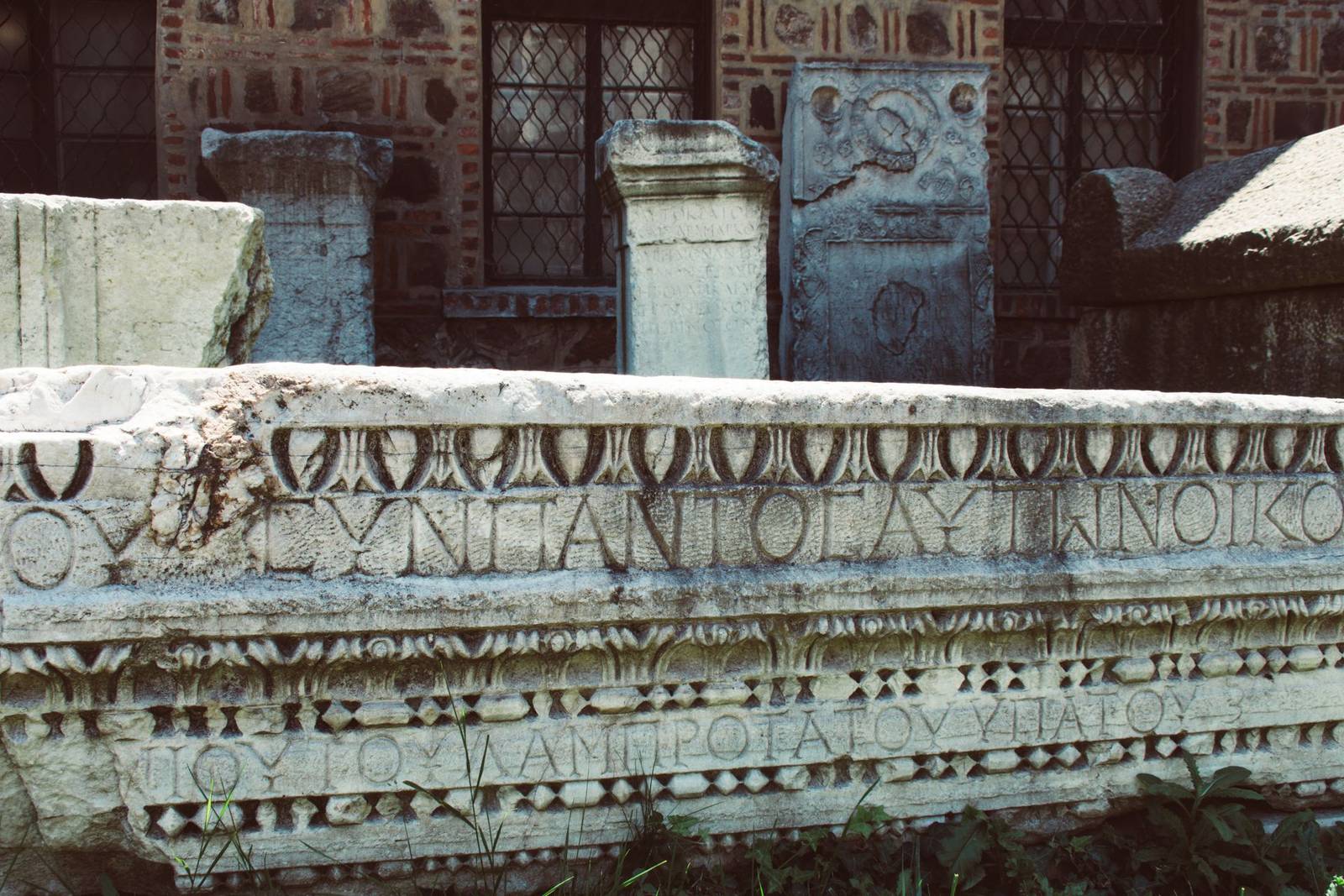
Jehovah Gmolah (more often written Jehovah Gmolah) is a compound divine name built from the Tetragrammaton, YHWH — rendered “Jehovah” in the older English versions and “the LORD” in most modern ones — plus the Hebrew word gemulah, which means recompense, dealing, or reward. Put together, the name means the God of recompense: the LORD who repays, who settles accounts, who gives back to people according to what they have done.
The phrase itself is not a standalone name given at an altar, the way Jehovah-jireh is in Genesis 22:14. It comes from the Hebrew of Jeremiah 51:56, where the LORD is described as a God of retribution who repays in full. The word behind that phrase is gemulah, the same root family as gmolah. So the title is a description of God’s character drawn straight from the text, not a place-name. It says something about who God is: He does not let deeds go unanswered.
Where does the name Jehovah Gmolah come from in the Bible?
The clearest anchor is Jeremiah 51:56, part of the oracle against Babylon:
For a destroyer is coming against her—against Babylon. Her warriors will be captured, and their bows will be broken, for the LORD is a God of retribution; He will repay in full. — Jeremiah 51:56 (BSB)
In the Hebrew, “a God of retribution” is El gemulot — literally “a God of recompenses,” the plural intensifying the idea. The word gemulah (or gemul) carries the sense of a deed returned, a benefit or a blow given back. The same root appears in Isaiah 59:18, where the LORD repays His enemies according to their deeds, and in Isaiah 35:4, where He comes with vengeance to save His people.
So Jehovah Gmolah is a title formed the way the other compound names are formed: a divine name plus a word describing what God does. Jehovah-jireh means “the LORD will provide” (Genesis 22:14). Jehovah-shammah means “the LORD is there” (Ezekiel 48:35). Jehovah Gmolah means “the LORD of recompense.” The pattern is the same; only the verb of action changes.
What does the Hebrew word gmolah actually mean?
Gemulah (גְּמוּלָה) comes from the verb gamal, which means to deal fully with, to wean, to bestow, or to repay. The noun can mean a good reward or a bad one, depending on context. It is the word for what a person receives back for what they have done.
That double edge matters. In some passages the recompense is kindness returned for kindness. In others it is judgment. When the Bible calls God the God of recompense, it is not saying He is petty or quick to strike. It is saying He is just — He notices, He remembers, and He acts. Nothing is lost on Him. The good done in secret is not forgotten; the evil done in darkness is not ignored.
This is close to the Old Testament idea of the goel, the kinsman-redeemer, who was charged with restoring the rights of another and avenging wrongs (Leviticus 25:48-49; Numbers 5:8; Ruth 4:1). The God of recompense is the ultimate kinsman-redeemer: He takes up the cause of the wronged and settles the account.
Is the God of recompense a God of wrath or of comfort?
Both, and the Bible holds them together. For the oppressed, the God of recompense is comfort: He will not let the strong devour the weak forever. Isaiah 35:4 says:
Say to those with anxious hearts: “Be strong, do not fear; behold, your God will come with vengeance. With divine retribution He will come to save you.” — Isaiah 35:4 (BSB)
Notice the purpose: He comes to save you. The recompense of God is aimed at rescue. For the oppressor, the same truth is warning. Jeremiah 51:56 is spoken against Babylon, a nation that had crushed others without mercy. The God who repays is not indifferent to cruelty.
This is why the New Testament can say:
Do not avenge yourselves, beloved, but leave room for God’s wrath. For it is written: “Vengeance is Mine; I will repay, says the Lord.” — Romans 12:19 (BSB)
And again:
For we know Him who said, “Vengeance is Mine; I will repay,” and again, “The Lord will judge His people.” — Hebrews 10:30 (BSB)
Both quotations come from Deuteronomy 32:35, the Song of Moses. The God of recompense is the reason believers can refuse revenge: the account is not closed, it is simply in better hands.
How is this name different from Jehovah-jireh and other compound names?
Each compound name highlights one aspect of God’s character revealed in a specific moment.
- Jehovah-jireh — “the LORD will provide” — Abraham on Mount Moriah, Genesis 22:14.
- Jehovah-nissi — “the LORD is my banner” — Moses after the battle with Amalek, Exodus 17:15.
- Jehovah-shalom — “the LORD is peace” — Gideon at Ophrah, Judges 6:24.
- Jehovah-shammah — “the LORD is there” — Ezekiel’s vision of the restored city, Ezekiel 48:35.
- Jehovah Gmolah — “the LORD of recompense” — Jeremiah 51:56.
Some of these are place-names; some are titles. Jehovah Gmolah belongs to the second group. It is not a name given to an altar or a city but a description of God drawn from the prophets. It answers a question the other names do not: What does God do about injustice? He repays.
What does this name mean for the Christian reader?
Three things follow.
First, God is not forgetful. The wrongs that are never put right in this life are not lost. The God of recompense keeps the record. That is a comfort to anyone who has been treated unjustly and told to move on.
Second, God is not vindictive. His recompense is measured and just. He does not repay more than is due. The cross shows that even His judgment is aimed at restoration where repentance is found. Christ bore the recompense of sin for all who trust Him, so that the believer’s account is settled in mercy, not wrath.
Third, the name calls for humility. If God repays, then we do not have to. Leaving room for His wrath is not passivity; it is trust. It frees us from the exhausting work of keeping score.
How should this name shape prayer and worship?
Pray the name honestly. If you have been wronged, you can tell God so and ask Him to be the God of recompense — not because you want revenge, but because you want justice and you trust Him to give it. If you have wronged someone, the same name is a call to make it right while there is time.
Worship with it too. The God who repays is also the God who rewards. Every quiet act of faithfulness — the prayer no one heard, the kindness no one thanked you for — is seen by the God of recompense. Hebrews 6:10 puts it plainly: God is not unjust to forget your work and love. The name cuts both ways, and both ways are good news for those who belong to Him.
Read Jeremiah 51 and Isaiah 35 slowly. Notice how the same character stands behind warning and comfort. Then bring what you have seen to your local church — to a pastor, to a Bible study, to the ordinary gathering of believers where these names are read aloud and prayed. The compound names of God are not museum pieces; they are invitations to know the One who bears them.
Questions readers ask
Is Jehovah Gmolah a real name of God in the Bible?
It is a title rather than a place-name. The phrase “a God of retribution” appears in Jeremiah 51:56, where the Hebrew is El gemulot. The compound form Jehovah Gmolah follows the same pattern as Jehovah-jireh and Jehovah-shammah, using the divine name plus a word for what God does.
What does the Hebrew word gmolah mean?
Gemulah comes from the verb gamal, meaning to deal fully with or to repay. It can describe a good reward or a bad one, depending on context. In Jeremiah 51:56 it refers to the judgment God brings on Babylon.
Does the God of recompense mean God is vengeful?
No. The Bible presents His recompense as just and measured. Isaiah 35:4 says He comes with vengeance to save. Romans 12:19 quotes Deuteronomy 32:35 to show that vengeance belongs to God, which is why believers are told not to take it themselves.
How is Jehovah Gmolah different from Jehovah-jireh?
Jehovah-jireh means “the LORD will provide” and comes from Abraham’s words in Genesis 22:14. Jehovah Gmolah means “the LORD of recompense” and comes from Jeremiah 51:56. Each name highlights a different aspect of God’s character revealed in Scripture.
Lexicon answers from the Bible and public-domain reference works. It is a study aid and is not affiliated with any organisation.