Jehovah M'Kaddesh Meaning: The Lord Who Sanctifies
Jehovah M'Kaddesh means "The LORD who sanctifies" — God Himself sets His people apart as holy by His presence, covenant and grace.
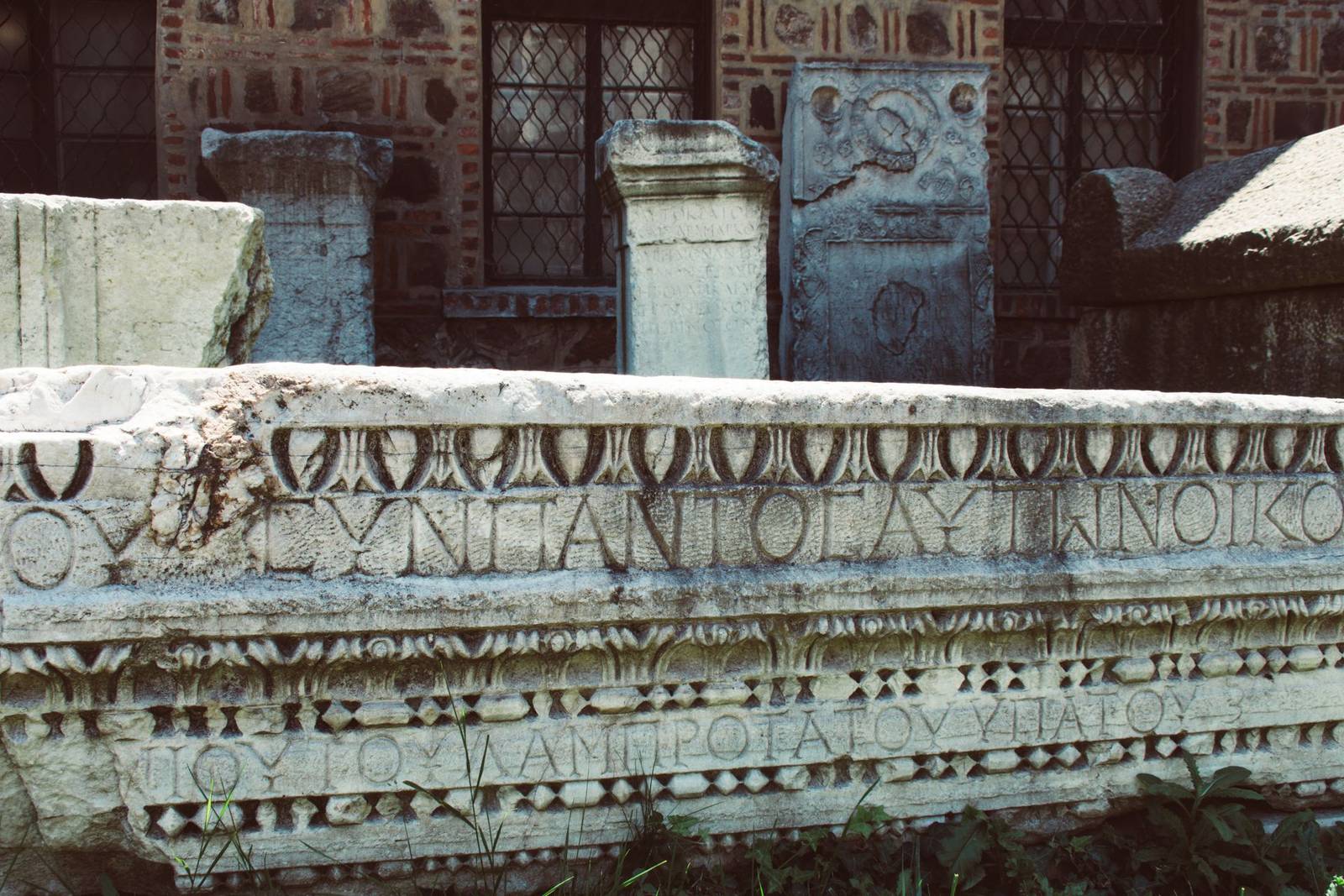
Jehovah M’Kaddesh (also written Jehovah Mekaddishkem or Jehovah M’Kaddesh) means The LORD who sanctifies you — that is, the LORD who sets His people apart as holy. The name comes from two Hebrew words: YHWH, the divine name rendered “Jehovah” in the older English versions and “the LORD” in most modern ones, and the verb qadash, which means to sanctify or to make holy. The fullest statement appears in Exodus 31:13, where God tells Israel that the Sabbath is a sign that they may know that He is Jehovah who sanctifies them. The name is not a technique for becoming holy; it is a declaration that holiness in God’s people is God’s own work, rooted in His covenant and His presence.
That is the short answer. The rest of this entry looks at where the name occurs, what qadash actually carries, how sanctification differs from justification, and how the New Testament applies the same truth to believers in Christ.
Where does the name Jehovah M’Kaddesh appear in Scripture?
The phrase is concentrated in the holiness legislation of Leviticus and in the Sabbath laws of Exodus and Ezekiel. Four passages carry the weight.
Speak thou also unto the children of Israel, saying, Verily ye shall keep my sabbaths: for it is a sign between me and you throughout your generations; that ye may know that I am Jehovah who sanctifieth you. — Exodus 31:13 (ASV)
And ye shall keep my statutes, and do them: I am Jehovah who sanctifieth you. — Leviticus 20:8 (ASV)
Leviticus 21:8 applies the same title to the priests: “Thou shalt sanctify him therefore; for he offereth the bread of thy God: he shall be holy unto thee: for I Jehovah, who sanctify you, am holy” (ASV). And Ezekiel, looking back on the Sabbath command, says God gave Israel His sabbaths “that they might know that I am Jehovah that sanctifieth them” (Ezekiel 20:12, ASV).
The pattern is consistent. The name is never attached to a ritual technique or a moral achievement. It is attached to God’s own action on behalf of a people He has already claimed.
What does the Hebrew word qadash actually mean?
Qadash belongs to the vocabulary of the holy. Its root idea is separation — setting something apart from common use and devoting it to God. When the LORD sanctifies a person, He does two things at once: He sets them apart from the profane, and He consecrates them to Himself.
This is why the same verb describes the consecration of the tabernacle, the altar, the priests and the Sabbath. None of these were holy by nature. They became holy because God claimed them. The Sabbath was an ordinary day made holy by God’s rest and command. The priests were ordinary men made holy by anointing and sacrifice. Israel was an ordinary people made holy by covenant.
The word also carries a moral dimension. Because the One who sanctifies is holy, those He sanctifies are called to reflect His character: “Sanctify yourselves therefore, and be ye holy: for I am Jehovah your God” (Leviticus 20:7, ASV). The command to be holy is not a demand to manufacture holiness from nothing. It is a call to live out what God has already made true.
How is sanctification different from justification?
Justification is God’s legal declaration that a sinner is righteous on the basis of Christ’s finished work, received by faith. Sanctification is God’s work of making that person actually holy in life. The two are distinct, but they are never separated.
Protestant Christians typically speak of sanctification as positional, progressive and final. Positionally, believers are already sanctified in Christ — set apart as holy the moment they are united to Him. Progressively, they grow in holiness through the Spirit’s work, the Word, prayer and obedience. Finally, they will be made perfectly holy at the resurrection. Catholic and Orthodox Christians describe the same reality with different emphases, speaking of infused grace and the believer’s transformation within the life of the Church. This site follows the historic Protestant reading, while recognising that all three traditions confess that holiness is God’s gift before it is our effort.
The name Jehovah M’Kaddesh speaks most directly to the positional and final aspects. God does not merely command holiness; He is the one who sanctifies. Paul puts it this way: “And the very God of peace sanctify you wholly; and I pray God your whole spirit and soul and body be preserved blameless unto the coming of our Lord Jesus Christ” (1 Thessalonians 5:23, ASV).
Why is the Sabbath connected to this name?
In Exodus and Ezekiel, the Sabbath is the sign that the LORD sanctifies His people. The Sabbath was not merely a day off. It was a weekly, visible declaration that Israel belonged to the God who had set them apart.
This is worth pausing over. The sign of sanctification was not an inward feeling or a private experience. It was a public, recurring practice. God gave His people a rhythm that reminded them, week by week, who they were and whose they were. Holiness was not left to memory or sincerity; it was built into the calendar.
Christians differ over how the Sabbath command applies today. Some hold that the Lord’s Day continues the Sabbath principle in a new covenant form. Others regard the Sabbath as fulfilled in Christ and the weekly rest as a creation ordinance rather than a binding ceremonial law. What all agree on is that God’s people need ordinary, repeated means by which they remember that He is the one who sanctifies them.
How does the New Testament apply this name to believers?
The New Testament does not use the Hebrew compound name, but it carries the same truth forward in Greek. Jesus prays, “Sanctify them through thy truth: thy word is truth” (John 17:17, ASV). The writer to the Hebrews says that Jesus suffered outside the gate “that he might sanctify the people with his own blood” (Hebrews 13:12, ASV). And Paul tells the Thessalonians that God’s will is their sanctification (1 Thessalonians 4:3).
The name Jehovah M’Kaddesh is therefore not a relic of the old covenant. It names the character of God that is now at work through Christ and the Spirit. The One who said “I am Jehovah who sanctifieth you” is the same One who, in the fullness of the Trinity, sanctifies His people through the Son and by the Spirit.
This is why the name matters for ordinary Christian life. If sanctification depended on your own willpower, you would have reason to despair. But the name says otherwise. The LORD who commands holiness is the LORD who gives it. Your growth in grace rests on His covenant faithfulness, not on your consistency.
What does this name mean for you today?
If you belong to Christ, you are already set apart. That is not a claim about your performance; it is a claim about God’s action. The same God who told Israel that He is Jehovah who sanctifies them has joined you to His Son and given you His Spirit.
That means two things. First, you can stop treating holiness as a project you must complete on your own. The One who calls you to be holy is the One who makes you holy. Second, you can pursue holiness with confidence, not anxiety. Your effort matters, but it rests on His work, not the other way around.
Read Exodus 31:13 and Leviticus 20:8 slowly. Notice the grammar: God does not say “sanctify yourselves and I will be your God.” He says “I am Jehovah who sanctifieth you.” The command to be holy follows the declaration that He has made you holy.
Pray honestly about the areas where you feel far from holy. Ask God to do in you what only He can do. And stay close to a local church, where the Word is taught, the sacraments are administered, and ordinary believers remind one another week by week that the LORD is the one who sanctifies. Holiness grows in that kind of soil, not in isolation.
Questions readers ask
What does Jehovah M’Kaddesh mean in English?
It means “The LORD who sanctifies you.” The name combines the divine name YHWH (rendered Jehovah in older English versions) with the Hebrew verb qadash, meaning to set apart as holy. It appears in Exodus 31:13 and Leviticus 20:8.
Is Jehovah M’Kaddesh the same as Jehovah Mekoddishkem?
Yes. These are variant transliterations of the same Hebrew phrase. Different English Bibles and reference works spell the Hebrew word for sanctifies you in slightly different ways, but the name and its meaning are identical.
How is sanctification different from justification?
Justification is God’s legal declaration that a sinner is righteous through faith in Christ. Sanctification is God’s work of making that person holy in life. They are distinct but inseparable: everyone justified is also being sanctified.
Does Jehovah M’Kaddesh appear in the New Testament?
The Hebrew compound name does not appear in the New Testament, but the same truth is carried forward in Greek. Jesus prays “Sanctify them through thy truth” in John 17:17, and Hebrews 13:12 says Jesus suffered to sanctify the people by His own blood.
Lexicon answers from the Bible and public-domain reference works. It is a study aid and is not affiliated with any organisation.