Jehovah Tsaba Meaning: The LORD of Hosts Explained
Jehovah Tsaba means "the LORD of hosts" — God of earth's armies, the stars and the angels. A clear look at the Hebrew, the KJV and ASV wording, and what it means for us.
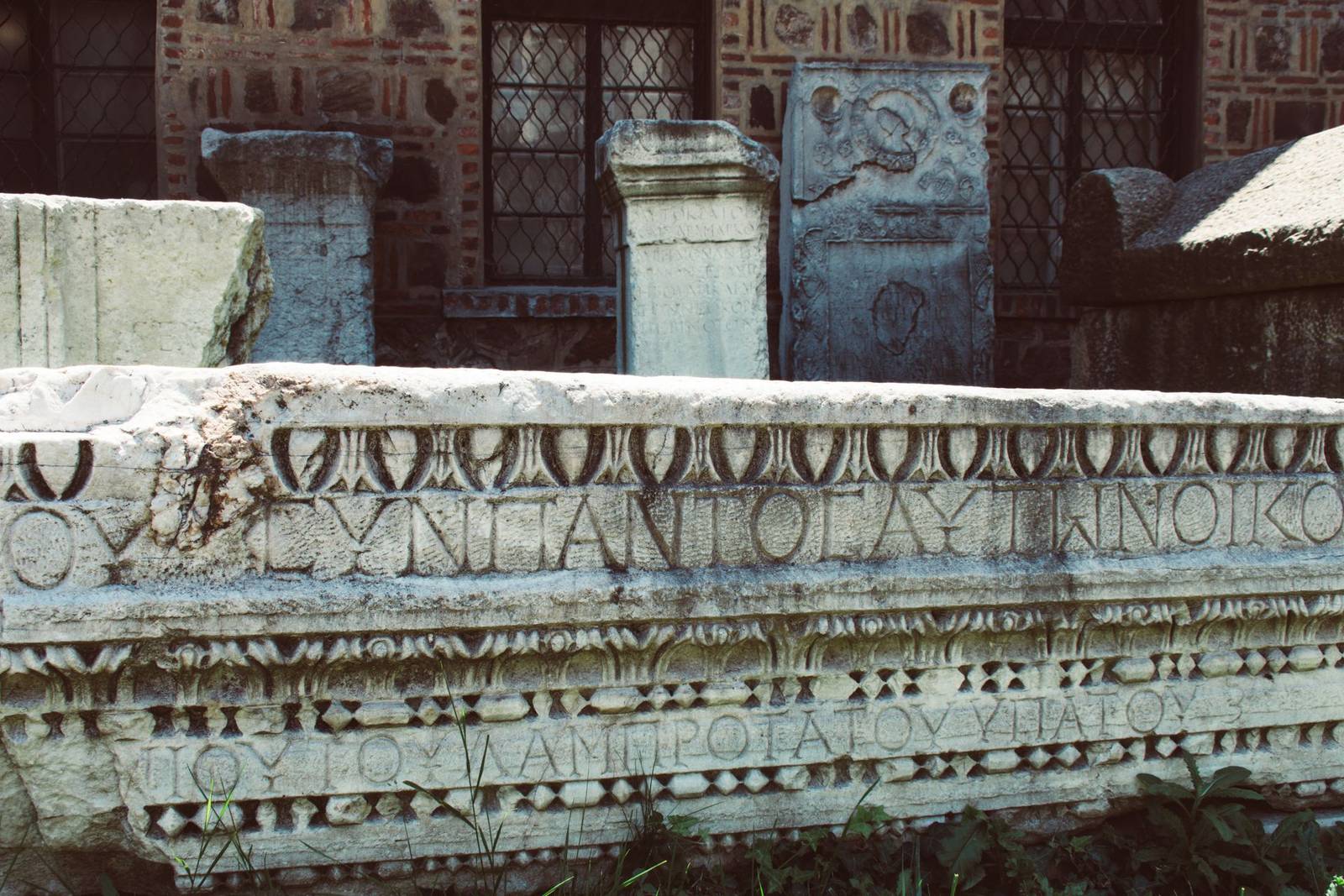
Jehovah Tsaba (more precisely in Hebrew, YHWH tseva’oth) means “the LORD of hosts” — that is, the LORD of armies. The word tsaba in Hebrew means a host, an army, or a company of soldiers. When the title is used of God, it gathers up three things at once: the armies of Israel, the armies of the stars, and the unseen armies of angels. It is the Bible’s way of saying that the covenant God of Israel commands every force in heaven and on earth, and that nothing — no empire, no idol, no spiritual power — stands outside His authority. In the King James Version the title usually appears as “the LORD of hosts”; in the American Standard Version it is often rendered “Jehovah of hosts,” which preserves the divine name.
What does the Hebrew behind “Jehovah Tsaba” actually say?
The Hebrew is YHWH tseva’oth — the Tetragrammaton (the four-letter name of God, usually written LORD in English Bibles) joined to a plural noun meaning “hosts” or “armies.” The form tseva’oth is sometimes transliterated Sabaoth, which is why older writers speak of “the Lord of Sabaoth.” The Greek Septuagint often translated the phrase with pantokrator, “Almighty,” and the New Testament carries that same instinct: Paul quotes Isaiah and calls Him “the Lord of Sabaoth,” while James speaks of “the Lord of Sabaoth.”
And as Esaias said before, Except the Lord of Sabaoth had left us a seed, we had been as Sodoma, and been made like unto Gomorrha. — Romans 9:29 (KJV)
Behold, the hire of the labourers who have reaped down your fields, which is of you kept back by fraud, crieth: and the cries of them which have reaped are entered into the ears of the Lord of sabaoth. — James 5:4 (KJV)
So the title is not a separate name of God alongside Jehovah, the way Jehovah-jireh or Jehovah-shammah are. It is the name Jehovah with a title attached — the same God, described by what He commands.
What are the “hosts” that God commands?
The word host in Scripture covers several kinds of arrayed forces, and the title likely includes all of them.
The armies of Israel. Israel’s fighting men were mustered as a host (Numbers 1:3). When David faced Goliath he did not appeal to his own skill but to the name:
Then said David to the Philistine, Thou comest to me with a sword, and with a spear, and with a shield: but I come to thee in the name of the LORD of hosts, the God of the armies of Israel, whom thou hast defied. — 1 Samuel 17:45 (KJV)
The stars of heaven. Genesis calls the sun, moon and stars “the host of heaven” (Genesis 2:1). The prophets mock those who worshipped that host as gods (Deuteronomy 4:19). The point of the title is the reverse: the stars are not deities but troops under the LORD’s command.
The angels. Isaiah sees the seraphim crying “Holy, holy, holy” before the throne, and the song is addressed to the LORD of hosts (Isaiah 6:3). Revelation echoes it: “Holy, holy, holy, Lord God Almighty” (Revelation 4:8, KJV).
Easton’s Bible Dictionary sums it up well: the title may designate Jehovah as God of the armies of earth, or of the armies of the stars, or of the unseen armies of angels — “or perhaps it may include all these ideas.”
Why does the title appear so often in the prophets?
“The LORD of hosts” is rare in the Pentateuch and common in the prophets — Isaiah, Jeremiah, Amos, Zechariah, Malachi. It appears when God is about to act in judgment or rescue on a scale no human army could match.
In Isaiah 3 the title introduces a stripping away of every human support:
For, behold, the Lord, Jehovah of hosts, doth take away from Jerusalem and from Judah stay and staff, the whole stay of bread, and the whole stay of water; — Isaiah 3:1 (ASV)
In Isaiah 1 it introduces both purging and redemption (Isaiah 1:24–27, KJV). In Amos it introduces a summons to witness against a corrupt nation:
Hear ye, and testify against the house of Jacob, saith the Lord Jehovah, the God of hosts. — Amos 3:13 (ASV)
And in Jeremiah it stands over the fate of Egypt and its gods:
The LORD of Hosts, the God of Israel, says: “Behold, I am about to punish Amon god of Thebes, along with Pharaoh, Egypt with her gods and kings, and those who trust in Pharaoh.” — Jeremiah 46:25 (BSB)
The pattern is consistent. When the title is used, the question on the table is: who actually holds power? The answer is the God who commands hosts.
What does it mean for prayer and for ordinary life?
David’s prayer in 2 Samuel shows how the title functions in devotion, not just in prophecy:
For thou, O Jehovah of hosts, the God of Israel, hast revealed to thy servant, saying, I will build thee a house: therefore hath thy servant found in his heart to pray this prayer unto thee. — 2 Samuel 7:27 (ASV)
David prays to the God of armies about a house — a family, a dynasty, a future. The title does not make God distant. It makes Him trustworthy. If every host in heaven and earth answers to Him, then a promise made by Him is safe to rest on.
That is where the title touches us. It does not promise that believers will win every earthly conflict, or that God will take our side in our political causes. It promises that no power — visible or invisible — can finally defeat His purposes. Paul puts the practical edge on it in Romans 8: if God is for us, who can be against us? The LORD of hosts is not a slogan for our side; He is the God who judges every side, including ours.
How should we handle this title today?
Read it slowly. “The LORD of hosts” is not decoration on the page. It is a claim about who is in charge of armies, stars and angels, made in a world where empires looked invincible. Isaiah, Amos and Jeremiah spoke it to people watching their own nation come apart. The title told them that the collapse was not outside God’s hand, and neither was the rescue.
If you want to go further, read Isaiah 1–6 with the title in view, then 2 Samuel 7 and Romans 9:29. Pray the title back to God as David did — addressing the God who commands hosts, and then asking Him for the ordinary things a household needs. And take it to a local church, where it can be read aloud, sung and taught with others. The name is meant to be confessed in company, not only studied alone.
Questions readers ask
Is Jehovah Tsaba the same as Jehovah Sabaoth?
Yes. “Tsaba,” “Sabaoth” and “tsebaoth” are different English spellings of the same Hebrew word for “hosts” or “armies.” The title means “the LORD of hosts,” and older English writers often wrote “the Lord of Sabaoth.”
Why do some Bibles say “LORD of hosts” and others “Jehovah of hosts”?
The difference is a translation policy about the divine name. The King James Version usually renders the Hebrew name as “LORD” in small capitals, giving “the LORD of hosts.” The American Standard Version often transliterates it as “Jehovah,” giving “Jehovah of hosts.” Both are translating the same Hebrew phrase, YHWH tseva’oth.
Does “the LORD of hosts” mean God is only a God of war?
No. The “hosts” include the armies of Israel, but also the stars of heaven and the angels around God’s throne. The title says He commands all powers, not that He delights in conflict. It is used as often for judgment on Israel as for victory over her enemies.
How is this title different from names like Jehovah-jireh?
Names like Jehovah-jireh (“the LORD will provide”) and Jehovah-shammah (“the LORD is there”) are compound names tied to a specific event or place. “The LORD of hosts” is a title attached to the divine name, describing God’s universal command rather than commemorating one occasion.
Lexicon answers from the Bible and public-domain reference works. It is a study aid and is not affiliated with any organisation.