Jehovah Tsuri Meaning: The LORD Is My Rock
Jehovah Tsuri means "The LORD is my rock" — a Hebrew title for God as a sure refuge, drawn from the Old Testament and fulfilled in Christ.
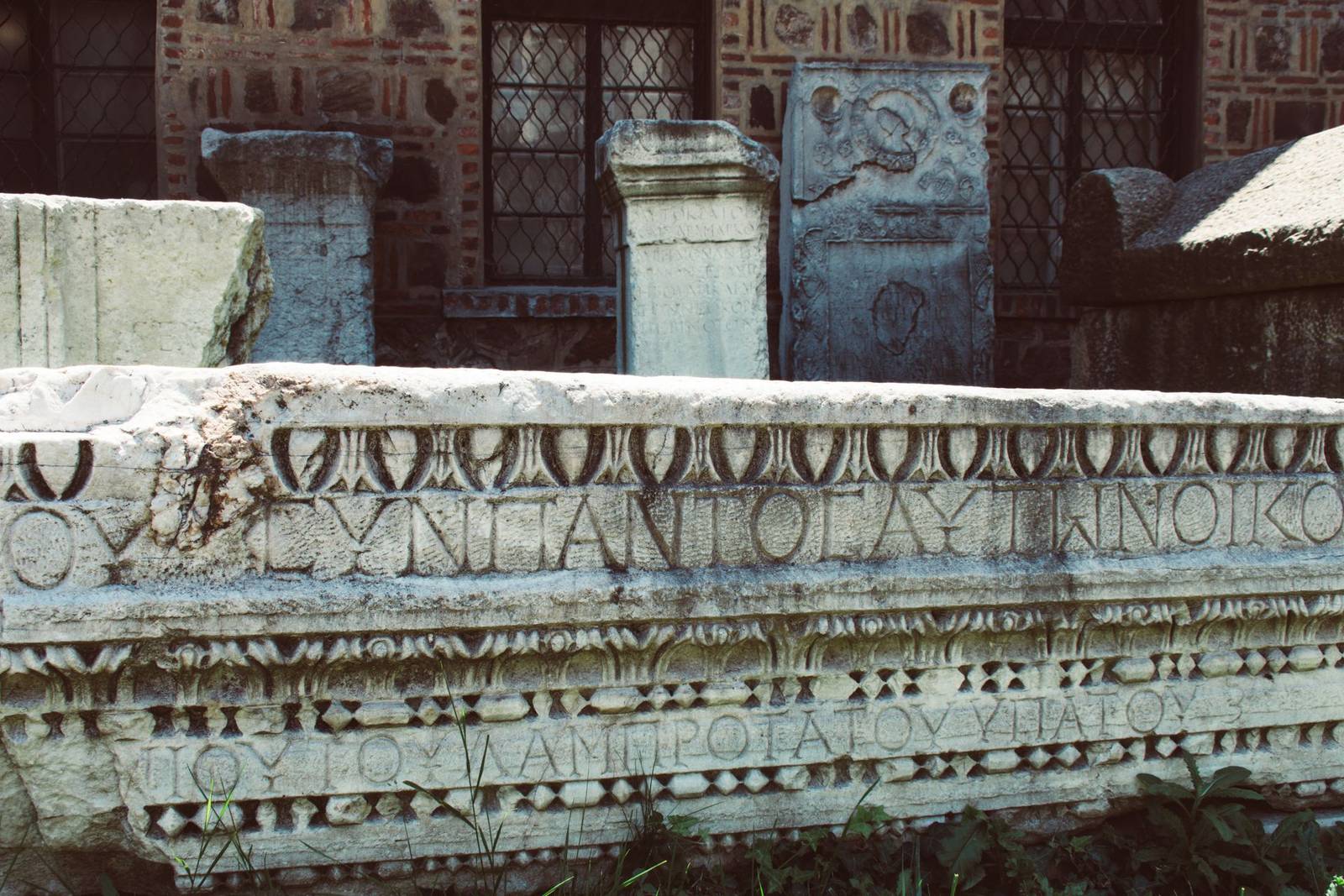
Jehovah Tsuri (also written Yahweh Tsuri) means “The LORD is my rock.” The second word, tsuri, is the Hebrew noun tsur (rock, cliff, boulder) with the first-person suffix “my” attached — so literally “my rock.” The first word is the divine name rendered Jehovah in the King James Version and American Standard Version, and usually printed as LORD in small capitals in most modern Bibles. Together the phrase is not a place-name like Jehovah-jireh, but a confession: the covenant God himself is the solid ground a person stands on. David uses it in Psalm 18:2, where the Hebrew reads YHWH tsuri. It appears again in Psalm 18:46, Psalm 28:1, Psalm 62:2 and Psalm 89:26. The title belongs to the wider biblical theme of God as Rock — a picture of strength, refuge and unchanging faithfulness.
Where does the title Jehovah Tsuri come from?
The phrase is most closely tied to David. Psalm 18 is introduced as a song David spoke “in the day that Jehovah delivered him from the hand of all his enemies, and from the hand of Saul” (Psalm 18:1, ASV). He opens with a stack of images:
Jehovah is my rock, and my fortress, and my deliverer; My God, my rock, in whom I will take refuge; My shield, and the horn of my salvation, my high tower. — Psalm 18:2 (ASV)
The Hebrew behind “my rock” here is tsuri. David is not describing a landscape; he is describing what God proved to be when Saul hunted him and enemies surrounded him. The same word returns at the end of the psalm:
Jehovah liveth; and blessed be my rock; And exalted be the God of my salvation. — Psalm 18:46 (ASV)
Other passages use the same picture. Psalm 28:1 begins, “Unto thee, O Jehovah, will I call: My rock, be not thou deaf unto me” (ASV). Psalm 89:26 puts the words in the mouth of David’s promised heir: “He shall cry unto me, Thou art my Father, My God, and the rock of my salvation” (ASV). The title is therefore both personal and royal — it belongs to the anointed king and to everyone who takes refuge in God.
What does the Hebrew word tsuri actually mean?
Tsur denotes a rock, cliff or boulder — something hard, high and stable. In the ancient Near East a rock was a natural fortress: a place to hide, a vantage point, a foundation that does not shift. When the biblical writers call God tsur, they are saying he is not a shifting sand dune of circumstance but solid ground.
Easton’s Bible Dictionary lists the passages where tsur is used as a symbol of God: 1 Samuel 2:2, 2 Samuel 22:3, Isaiah 17:10, Psalm 28:1; 31:2–3; 89:26; 95:1, and in the New Testament Matthew 16:18, Romans 9:33 and 1 Corinthians 10:4. The word can also mean a quarry or mountain in some contexts, but the dominant theological use is refuge and strength.
The suffix -i means “my.” So tsuri is not a general statement that God is a rock somewhere; it is a personal claim: he is my rock. That is the heart of the compound title. It is one thing to say God is strong; it is another to say, with David, that this strength is yours to stand on.
Is Jehovah Tsuri a name of God or a description?
It is best described as a title or confession rather than a formal place-name. Compare the other compound names:
- Jehovah-jireh (“The LORD will provide”) — the name Abraham gave to the place on Mount Moriah where God provided the ram (Genesis 22:14).
- Jehovah-nissi (“The LORD is my banner”) — the altar Moses built after Israel prevailed over Amalek (Exodus 17:15).
- Jehovah-tsidkenu (“The LORD our righteousness”) — a prophetic title for the coming king (Jeremiah 23:6).
Jehovah Tsuri follows the same pattern: the divine name plus a word that describes what God is to his people. It is not a location but a relationship. The Bible does not say David erected a stone called “Jehovah Tsuri”; it says David sang that Jehovah is his rock.
How does the New Testament take up the rock imagery?
The New Testament does not abandon the picture. Paul, writing to the Corinthians, says of Israel in the wilderness:
and did all drink the same spiritual drink: for they drank of a spiritual rock that followed them: and the rock was Christ. — 1 Corinthians 10:4 (ASV)
Here the rock that provided water becomes a type of Christ. Jesus himself takes the image further when he says to Peter, “upon this rock I will build my church” (Matthew 16:18, ASV), and Peter later calls Christ the cornerstone that the builders rejected (1 Peter 2:7, echoing Psalm 118:22).
So the Old Testament title Jehovah Tsuri finds its fullest meaning in the person of Christ. The God who was David’s rock is the same God who became flesh, was rejected, and became the foundation on which his people are built. The rock is not an abstract quality; it is a person.
What does this title mean for someone today?
If God is a rock, then he is the place to stand when everything else gives way. David’s world was collapsing — Saul wanted him dead, enemies pressed in, and the “cords of Sheol” wrapped around him (Psalm 18:5, ASV). His response was not to find a better hiding place but to call on the God who is a rock.
That does not mean life becomes easy. David still had to run, hide and wait. But he had a foundation that did not move. The title invites the same trust: not a promise that trouble will vanish, but a promise that God himself is stable ground beneath your feet.
It also carries a warning. Isaiah 17:10 rebukes Israel because they “hast forgotten the God of thy salvation, and hast not been mindful of the rock of thy strength” (ASV). Forgetting the rock does not change the rock; it leaves us standing on something else that will eventually shift.
The title Jehovah Tsuri is therefore both comfort and call. Comfort: the LORD is a refuge that cannot be eroded. Call: remember him, call on him, and build on him rather than on the sand of circumstance.
If this raises questions for you, take them to Scripture and to a local church where the Bible is taught and prayed. Read Psalm 18 slowly, ask God to be what David said he is, and let the title become your own confession.
Questions readers ask
What does Jehovah Tsuri mean in English?
It means “The LORD is my rock.” Jehovah is the divine name (YHWH), and tsuri is the Hebrew word for rock with the suffix “my.” The phrase is a confession of God as a sure refuge and foundation.
Where is Jehovah Tsuri found in the Bible?
The exact phrase appears in passages such as Psalm 18:2, Psalm 18:46, Psalm 28:1, Psalm 62:2 and Psalm 89:26, where the Hebrew reads YHWH tsuri. The wider theme of God as rock runs through 1 Samuel 2:2, 2 Samuel 22:3, Isaiah 17:10 and 1 Corinthians 10:4.
Is Jehovah Tsuri the same as Yahweh Tsuri?
Yes. “Jehovah” is the traditional English form of the divine name YHWH, and “Yahweh” is a scholarly reconstruction of its likely ancient pronunciation. Both point to the same Hebrew phrase YHWH tsuri.
How is Jehovah Tsuri different from Jehovah-jireh?
Jehovah-jireh (“The LORD will provide”) is a place-name Abraham gave to the site of his offering on Mount Moriah (Genesis 22:14). Jehovah Tsuri is not a place-name but a personal title or confession — David calling God his rock.
Lexicon answers from the Bible and public-domain reference works. It is a study aid and is not affiliated with any organisation.