The name Jehovah in the Psalms (American Standard Version)
The ASV prints Jehovah wherever the Hebrew has the name, so its Psalter reads unlike the KJV. How the name sounds in the Psalms, with a reading guide.
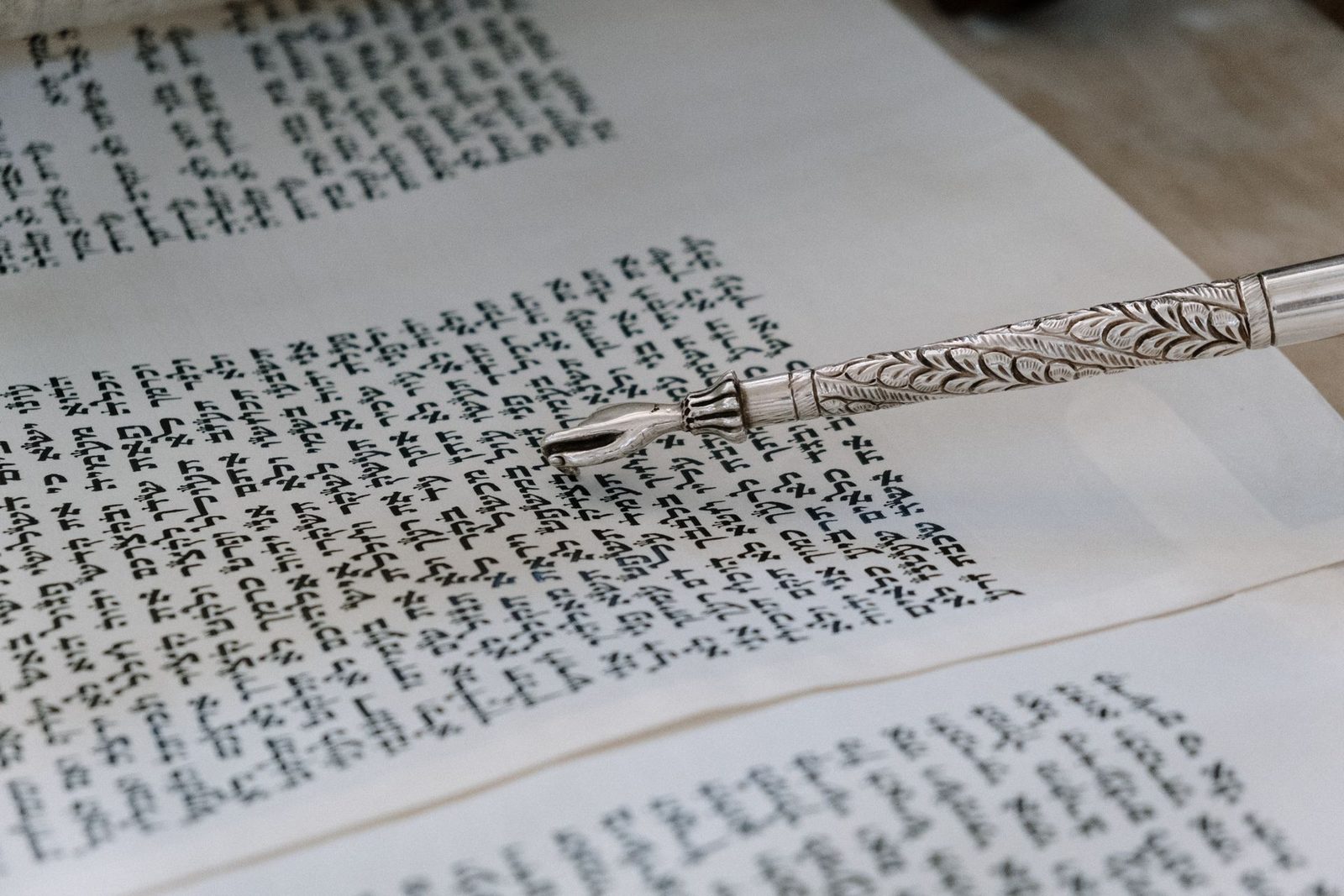
The American Standard Version of 1901 prints Jehovah wherever the Hebrew text has the four-letter name of God, so its Psalter reads quite differently from the King James Version. Where the KJV has “The LORD is my shepherd”, the ASV has “Jehovah is my shepherd”. The effect is to make the Psalms sound as personal as they are in Hebrew: they are addressed to a God with a name, not to a general idea of deity. The name appears in almost every psalm, and most densely in the psalms of praise, where the call “Praise ye Jehovah” translates the Hebrew hallelu-yah, the word that has come into English as hallelujah. Reading the Psalms in the ASV is a useful way to notice how often Israel’s worship turned on the name, what the name was trusted for, and how the psalmists spoke to God directly by it. This entry gives examples and a short guide for reading.
How the ASV came to print the name
The translators of the English Revised Version of 1885 kept the traditional “LORD”. Their American colleagues disagreed, and when the American edition appeared in 1901 its preface explained that they had been brought to the conviction that a Jewish custom of not pronouncing the name should no longer govern an English Bible. They chose the form Jehovah because it was already familiar to English readers from the King James Version and from hymns. The full story is told in The name in the American Standard Version. The result, in the Psalms, is a book of prayer and praise in which the name of God is heard on almost every page.
The name in the best-known psalms
Some of the most familiar psalms change their colour when the name is printed.
For the Chief Musician; set to the Gittith. A Psalm of David. O Jehovah, our Lord, How excellent is thy name in all the earth, Who hast set thy glory upon the heavens!
— Psalm 8:1 (ASV)
In the King James Version this reads “O LORD our Lord”, and readers may wonder why the word is repeated. The ASV shows that the first word is the name and the second is a title: “Jehovah, our Lord”. The psalm is about the name from its first line to its last.
A Psalm of David. Jehovah is my shepherd; I shall not want.
— Psalm 23:1 (ASV)
Here the name gives the shepherd psalm its particular comfort. David’s shepherd is not an abstract providence but the God who revealed himself to Moses and brought Israel through the wilderness. The entry on Jehovah-Rohi, “Jehovah my shepherd”, explores this further.
A Psalm of thanksgiving. Make a joyful noise unto Jehovah, all ye lands. Serve Jehovah with gladness: Come before his presence with singing. Know ye that Jehovah, he is God: It is he that hath made us, and we are his; We are his people, and the sheep of his pasture. Enter into his gates with thanksgiving, And into his courts with praise: Give thanks unto him, and bless his name. For Jehovah is good; his lovingkindness endureth for ever, And his faithfulness unto all generations.
— Psalm 100:1-5 (ASV)
Psalm 100 names Jehovah four times in five verses and ends with his character: good, steadfast in love, faithful to every generation. Its call reaches “all ye lands”, the same horizon as Psalm 83:18.
Hallelujah and the psalms of praise
The Hebrew hallelu means “praise ye”, and yah is the short form of the name. Hallelujah is therefore a command: praise Jehovah. The ASV translates it every time it occurs.
Praise ye Jehovah. Praise, O ye servants of Jehovah, Praise the name of Jehovah. Blessed be the name of Jehovah From this time forth and for evermore. From the rising of the sun unto the going down of the same Jehovah’s name is to be praised.
— Psalm 113:1-3 (ASV)
Psalms 113 to 118 were sung at the great festivals, and especially at Passover, and are known in Jewish tradition as the Hallel. Many Christians believe that this was the hymn Jesus and his disciples sang after the Last Supper. In the ASV the name rings through them.
Praise ye Jehovah. Praise ye the name of Jehovah; Praise him, O ye servants of Jehovah, Ye that stand in the house of Jehovah, In the courts of the house of our God. Praise ye Jehovah; for Jehovah is good: Sing praises unto his name; for it is pleasant.
— Psalm 135:1-3 (ASV)
The book of Psalms ends on the same note.
Let everything that hath breath praise Jehovah. Praise ye Jehovah.
— Psalm 150:6 (ASV)
One small point should be noted for accuracy. The ASV uses Jehovah both for the full name and for the short form Yah. In Psalm 68:4, for instance, where the King James Version reads “by his name Jah”, the ASV reads “His name is Jehovah”. The meaning is the same, but readers comparing the Hebrew will find two forms behind one English word.
Where the Psalter says God instead
Readers of the ASV will notice that in Psalms 42 to 83 the name appears much less often, and “God” (Hebrew Elohim) takes its place. Scholars have long called this part of the book the Elohistic Psalter. The clearest example is Psalm 53, which is almost identical to Psalm 14 except that Psalm 14 uses the name and Psalm 53 uses “God”. The reason is not certain; it probably reflects the way the collections were edited for use in worship. It does not mean that those psalms speak of a different God, and Psalm 83, which closes the section, ends with the name in full.
A guide to reading the ASV Psalms
A practical way to begin is to read one psalm a day aloud, pausing at each occurrence of the name. Ask three questions: what is the psalmist asking Jehovah to do, what does he say Jehovah has done, and what does he say Jehovah is like? Psalms 8, 23, 34, 100, 103, 113, 121 and 145 make a good first set. Readers who prefer the traditional “LORD” in worship can still use the ASV for study, since it shows at a glance where the name stands. Those who read the Psalms together in church, whether said or sung, are doing what Psalm 34:3 asks: magnifying the name together.
For reflection
The Psalms were Israel’s prayer book and have been the church’s prayer book ever since. Pray through Psalm 113 slowly, and let each line of praise become your own. Christians pray the Psalms in the light of the Son, who taught his disciples to pray “hallowed be your name”, and who, as Jesus and the divine name explains, made that name known in a new way.
References
- The Preface to the American Standard Version (1901).
- Brown, Driver and Briggs, A Hebrew and English Lexicon of the Old Testament (1906).
- C. F. Keil and F. Delitzsch, Biblical Commentary on the Old Testament: Psalms (1866–1891).
- C. H. Spurgeon, The Treasury of David (1869–1885).
- Matthew Henry, Commentary on the Whole Bible (1708–1710).
Lexicon answers from the Bible and public-domain reference works. It is a study aid and is not affiliated with any organisation.