Yahweh Shalom Meaning: The Lord Is Peace
Yahweh Shalom means 'The LORD is peace', the name Gideon gave the altar at Ophrah. Learn what it means and how God's peace differs from the world's.
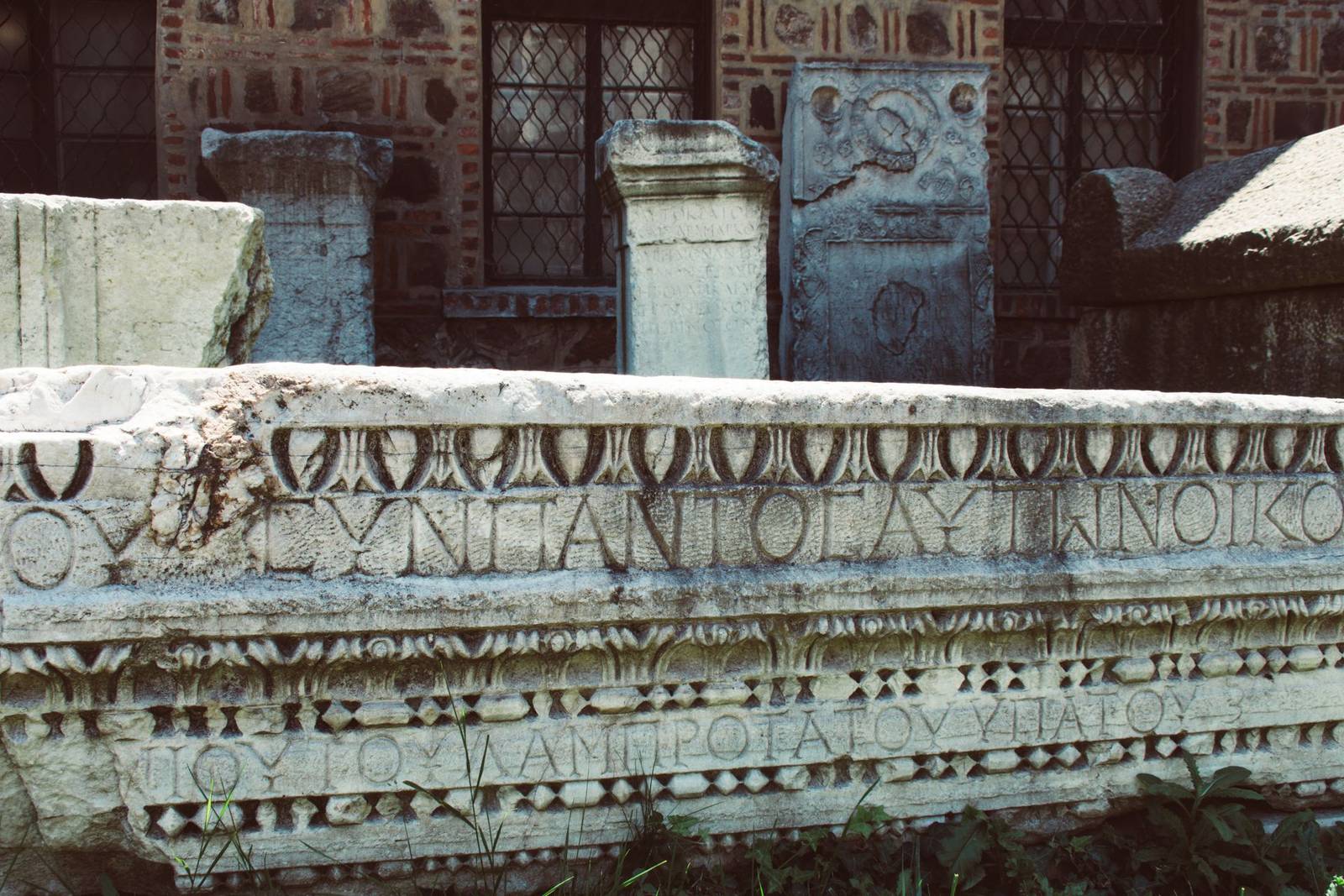
Yahweh Shalom (also written Jehovah-shalom) means that the LORD is peace. The name comes from Judges 6:24, where Gideon built an altar to the LORD at Ophrah and called it Yahweh Shalom. It is not a general word for calm; it is a name that confesses who God is. The Hebrew word shalom carries more than the absence of conflict. It means wholeness, completeness, welfare, and things set right. So when Gideon names the altar Yahweh Shalom, he is saying that peace is not a mood or a circumstance but a person. The LORD Himself is the source and substance of it.
What does the name Yahweh Shalom mean in Hebrew?
The name joins two words: the divine name (YHWH, rendered as the LORD in most English Bibles and as Jehovah in the KJV and ASV) and shalom. Shalom comes from a root that means to be complete or sound. It is used of health, safety, friendship, and wholeness in a community. When the Bible says that God makes peace in Israel’s borders (Psalm 147:14), it pictures a nation whole and safe, not merely quiet.
So the name Yahweh Shalom is a confession of God’s character. It does not say that everything around Gideon was peaceful. It says that the LORD is peace. The altar stood as a witness in a place of fear and calling.
What was happening when Gideon built the altar?
It helps to read the whole scene. Judges 6 opens with Israel oppressed by Midian. The people hid in caves, and Gideon was threshing wheat in a winepress to keep it from the Midianites (Judges 6:11). He was afraid, and he said so. When the angel of the LORD appeared to him, Gideon asked hard questions: if the LORD is with us, why has all this happened? Where are His wonders?
The LORD answered by calling him to deliver Israel. Gideon asked for a sign, and fire consumed the offering on the rock. Then Gideon realised he had seen the angel of the LORD face to face, and he was afraid he would die. The LORD said to him, “Peace be unto thee; fear not: thou shalt not die.” Then Gideon built an altar there and called it Yahweh Shalom (Judges 6:24).
The altar was Gideon’s response to a word of peace spoken directly into his fear. It was not built after the victory. It was built before the battle, in the middle of the crisis. That is the point. Yahweh Shalom is a name for the God who speaks peace before He gives deliverance.
Is Yahweh Shalom a name for God or for an altar?
Strictly, Judges 6:24 says Gideon built an altar and called it Yahweh Shalom. So the name was given to the altar. But altars in Israel were named to commemorate something about God. The name on the altar says something true about the LORD. It is like calling a place The LORD provides or The LORD is my banner. The altar is a witness; the name belongs to God.
This is why the compound names of God matter. They are not magic formulas. They are confessions of what God has shown Himself to be in a particular moment. Yahweh Shalom is the God who met a frightened man and gave him peace.
How is this peace different from the world’s peace?
The peace of Yahweh Shalom is not the same as the absence of trouble. Jesus made this distinction plain when He said:
Peace I leave with you; My peace I give to you. I do not give to you as the world gives. Do not let your hearts be troubled; do not be afraid. — John 14:27 (BSB)
He spoke those words on the night He was betrayed. The peace He gives is not built on good circumstances. It is built on His presence and His promises. Paul describes a peace that surpasses all understanding and guards the heart (Philippians 4:7).
This is why the name Yahweh Shalom is not a promise that life will be easy. It is a promise that God Himself is our peace. In the New Testament, that peace is tied to the cross. Paul writes that we have peace with God through our Lord Jesus Christ (Romans 5:1). The deepest conflict, the one between sinners and a holy God, is resolved by grace through faith in Christ.
How can a believer know the God who is peace?
The Bible does not tell us to chase a feeling. It tells us to know the God who is peace. That knowledge grows in ordinary ways.
First, through Scripture. The names of God are given so that we can trust Him. When you read Judges 6, you are meant to see that the God who spoke peace to Gideon is the same God who speaks peace to His people now.
Second, through prayer. Paul tells us to bring everything to God with thanksgiving, and the peace of God will guard our hearts (Philippians 4:6-7). This is not a technique for calm. It is fellowship with the God who is peace.
Third, through the local church. Peace with God is personal, but it is not private. God gives His people shepherds and fellow believers to remind them of His promises. If you are struggling, speak with a pastor or a trusted believer in person. If anxiety or fear is heavy, it is wise to see a doctor or a licensed counsellor as well.
What does the blessing in Numbers 6 have to do with peace?
Numbers 6 gives the priestly blessing, and it ends with peace:
May the LORD bless you and keep you; may the LORD cause His face to shine upon you and be gracious to you; may the LORD lift up His countenance toward you and give you peace. — Numbers 6:24-26 (BSB)
The name Yahweh is repeated three times in that blessing, and the blessing ends with peace. The peace of God is not a separate gift from God Himself. It is the fruit of His favour. When the LORD turns His face toward His people, they have peace.
This is why the compound names of God are not trivia. They are windows into the character of the God who saves. Yahweh Shalom tells us that the LORD is not merely willing to give peace; He is peace. And He gives Himself to His people.
If you want to go further, read Judges 6 slowly. Notice that Gideon was afraid, and God did not rebuke him for it. He gave him a sign, a word, and a name. Then read John 14:27 and Philippians 4:6-7. Ask God to make you know Him as your peace, not just to feel calm. And find a local church where you can hear His Word and pray with His people.
Questions readers ask
What does Yahweh Shalom mean literally?
It means that the LORD is peace, or Jehovah is peace. It joins the divine name with the Hebrew word shalom, which means wholeness, completeness, and welfare, not merely the absence of conflict.
Where in the Bible is Yahweh Shalom found?
It appears in Judges 6:24, where Gideon built an altar at Ophrah and called it Yahweh Shalom after the LORD spoke peace to him. The name is given to the altar, but it confesses something true about God.
Is Yahweh Shalom the same as Jehovah-shalom?
Yes. They are two ways of writing the same Hebrew name. Yahweh is a scholarly rendering of the divine name, and Jehovah is the traditional English form used in the King James Version and the American Standard Version.
Does Yahweh Shalom mean God will remove all my problems?
No. Gideon built the altar before the battle, not after. The name means God Himself is peace, and His peace can hold you even when circumstances are hard. The New Testament ties that peace to being reconciled to God through Jesus Christ.
Lexicon answers from the Bible and public-domain reference works. It is a study aid and is not affiliated with any organisation.