Bereshit Bara Elohim: Meaning of Genesis 1:1
What the Hebrew words bereshit, bara and Elohim mean in Genesis 1:1, and why the first verse of the Bible matters.
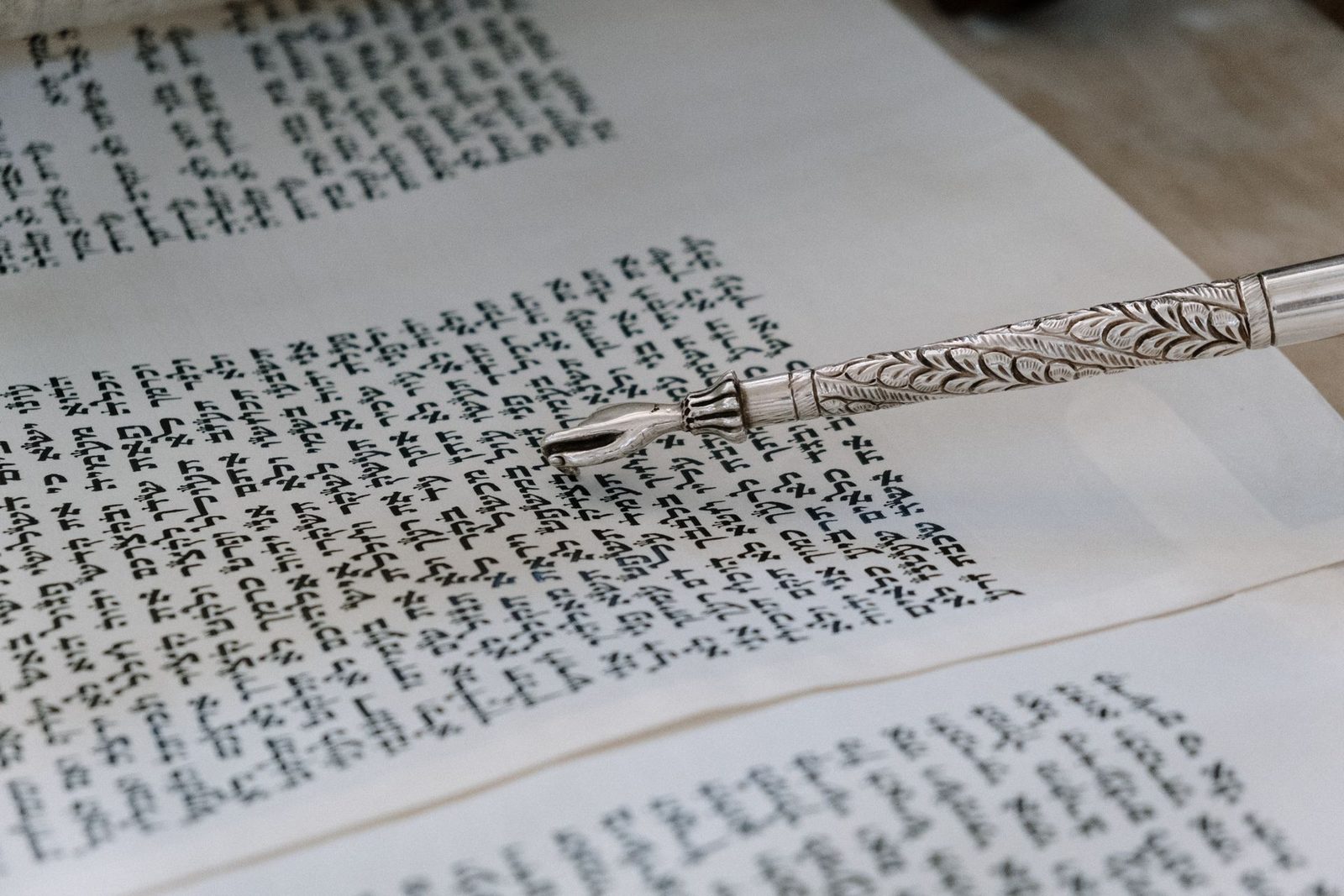
The opening words of the Bible are three Hebrew words: bereshit bara Elohim. They are usually translated “In the beginning God created.” Each word carries weight. Bereshit means “in the beginning” — the first word of the book the Hebrew title itself is taken from (Bereshit, “In the beginning”). Bara is the verb “created.” Elohim is the general Hebrew word for God, and it takes a singular verb here. So the very first sentence of Scripture names God as Creator, places Him before all things, and does so in a way that later biblical writers read as pointing to the Son and the Spirit as well. This entry looks at each word in turn.
What does bereshit mean, and why does it open the Bible?
Bereshit (בְּרֵאשִׁית) is a compound of be (“in”) and reshit (“beginning, firstfruits, chief part”). It is not the same word as olam (“age, eternity”); it means the starting point of something, the first portion. The same noun appears in Jeremiah 2:3, where Israel is called the “firstfruits” of God’s harvest, and in Proverbs 8:22 of wisdom as the “beginning” of God’s way.
The word does two things at once. It marks a real beginning — matter, time and space are not eternal alongside God; they have a start. And it marks priority: what comes first in Scripture is God, not the world. The Bible does not argue for God’s existence here; it assumes Him and speaks of Him acting.
Some readers ask whether bereshit should be read as an absolute “in the beginning” or as a construct, “in the beginning of God’s creating.” The Hebrew text as pointed in the Masoretic tradition has the absolute form, and the historic Christian reading has followed that. Either way, the verse places God before and above everything that follows.
What does bara tell us about how God created?
Bara (בָּרָא) is the verb “to create.” In Genesis it is the word used when God brings something new into being, and its subject is always God. That does not mean the word itself always means “create out of nothing”; the concept of creation from nothing is stated elsewhere (see Hebrews 11:3). What bara does mean in this verse is that this act belongs to God.
Genesis uses bara at three key points: the heavens and the earth (1:1), living creatures (1:21), and human beings in God’s image (1:27). Between those, the text uses other verbs — asah (“make”) and yatsar (“form”) — for shaping what already exists. The pattern suggests deliberate structure: God begins, God fills, God completes.
The New Testament reads this creating work as shared within the one God. John opens his Gospel with the same phrase:
In the beginning was the Word, and the Word was with God, and the Word was God. — John 1:1 (BSB)
He then says of the Word:
Through Him all things were made, and without Him nothing was made that has been made. — John 1:3 (BSB)
Colossians 1:16 says the same of the Son:
For in Him all things were created, things in heaven and on earth, visible and invisible. — Colossians 1:16 (BSB)
Hebrews 1:2 says God has spoken to us by His Son, through whom He made the universe. So the church has always read Genesis 1:1 as the work of the triune God, not of the Father alone.
Why is God called Elohim in Genesis 1:1?
Elohim (אֱלֹהִים) is the plural form of Eloah. In Hebrew, plurals can signal majesty or fullness as well as number, and Elohim takes a singular verb throughout Genesis 1: “bara Elohim” — “God created,” not “gods created.” The same word is used of the one true God hundreds of times, and occasionally of human judges or false gods, where the context makes the meaning plain.
The plural form has been noticed by readers for centuries. Some have seen in it a hint of the fullness of God’s being that the New Testament later describes as Father, Son and Spirit. Others read it simply as a plural of majesty, the way a king might speak as “we.” Both readings are found among careful Christian readers, and the verse does not settle the question on its own. What Genesis 1:1 does settle is that there is one God, and He is the Maker of all things.
The Spirit is named two verses later:
Now the earth was formless and void, and darkness was over the surface of the deep. And the Spirit of God was hovering over the surface of the waters. — Genesis 1:2 (BSB)
So the opening chapter of the Bible names God, describes His creating word, and mentions His Spirit — the raw material the New Testament uses to speak of Father, Son and Spirit together.
Does Genesis 1:1 use the name Jehovah?
No. Genesis 1:1 uses Elohim, the general word for God. The divine name YHWH — rendered “Jehovah” in some English translations and “the LORD” in most — does not appear in Genesis 1. It is used later in Genesis, and it is the name by which God made Himself known to Israel. The two names are not rivals; they describe the same God from two angles. Elohim speaks of His power as Creator and Ruler of all; YHWH is His covenant name.
This site has a separate entry on the Tetragrammaton and on the English form “Jehovah.” The point here is simply that Genesis 1:1 introduces God as Elohim, and the covenant name comes later in the book.
What does Genesis 1:1 mean for the rest of the Bible?
Genesis 1:1 is echoed throughout Scripture. Psalm 33:6 speaks of the heavens being made by the word of the LORD and the stars by the breath of His mouth, and Psalm 33:9 adds that He spoke and it came to be, and commanded and it stood firm. Isaiah 45:18 says God formed the earth and made it, established it, and did not create it to be empty but formed it to be inhabited. These passages take the first verse of Genesis as a foundation and build on it.
The verse also shapes how Christians think about the world we live in. If God made the heavens and the earth, then the material world is not evil or illusory; it is His good work. It also means we are creatures, not the makers of reality. And it means the God who made everything is the God we are invited to know through Jesus Christ.
The opening of the Bible and the opening of the Gospel of John stand together. Genesis begins, “In the beginning God created.” John begins, “In the beginning was the Word.” The Word who was with God in the beginning is the Word who became flesh (John 1:14). The Creator and the Redeemer are not two different gods; they are one.
How should we read Genesis 1:1 today?
Read it slowly. Notice that the verse does not begin with an argument, a question or a defence. It begins with God. That is the Bible’s order: God first, then everything else.
Christians have differed on how to read the days of Genesis 1 — whether as literal twenty-four-hour days, as ages, or as a literary framework. These are secondary questions, and faithful readers have held different views. What the church has always confessed together is what the first verse says: God created the heavens and the earth.
If you want to go further, read Genesis 1 aloud, then read John 1 and Colossians 1 alongside it. Pray over what you read, and bring your questions to a pastor or a mature believer in your local church, where Scripture is read and taught in the company of others. The first verse of the Bible is a good place to begin, and it is a good place to return to.
Frequently asked questions
Does Elohim being plural mean there are many gods? No. In Genesis 1:1 the plural noun takes a singular verb: “God created,” not “gods created.” The Hebrew Bible is emphatic that there is one God (Deuteronomy 6:4). The plural form is best read as a plural of majesty or fullness, and some Christians also see in it a hint of the triune God revealed more fully in the New Testament.
Is bara the same as “create out of nothing”? Bara means “create,” and in Genesis its subject is always God, but the word itself does not spell out creation from nothing. That idea is stated elsewhere, for example in Hebrews 11:3. What bara establishes in Genesis 1:1 is that creating is God’s own act.
Why does Genesis 1:1 say Elohim and not YHWH? Elohim is the general name for God as the powerful Creator of all. The covenant name YHWH (rendered “the LORD” or “Jehovah”) does not appear in Genesis 1 but is used later in the book. Both names describe the same God.
Do Christians have to read the six days of Genesis 1 literally? Faithful Christians have read the days in different ways — as ordinary days, as long ages, or as a literary structure. The historic Christian confession is that God is the Maker of heaven and earth, which is what Genesis 1:1 states. The length of the days is a secondary matter on which believers have differed.
Questions readers ask
Does Elohim being plural mean there are many gods?
No. In Genesis 1:1 the plural noun takes a singular verb: “God created,” not “gods created.” The Hebrew Bible is emphatic that there is one God (Deuteronomy 6:4). The plural form is best read as a plural of majesty or fullness, and some Christians also see in it a hint of the triune God revealed more fully in the New Testament.
Is bara the same as “create out of nothing”?
Bara means “create,” and in Genesis its subject is always God, but the word itself does not spell out creation from nothing. That idea is stated elsewhere, for example in Hebrews 11:3. What bara establishes in Genesis 1:1 is that creating is God’s own act.
Why does Genesis 1:1 say Elohim and not YHWH?
Elohim is the general name for God as the powerful Creator of all. The covenant name YHWH (rendered “the LORD” or “Jehovah”) does not appear in Genesis 1 but is used later in the book. Both names describe the same God.
Do Christians have to read the six days of Genesis 1 literally?
Faithful Christians have read the days in different ways — as ordinary days, as long ages, or as a literary structure. The historic Christian confession is that God is the Maker of heaven and earth, which is what Genesis 1:1 states. The length of the days is a secondary matter on which believers have differed.
Lexicon answers from the Bible and public-domain reference works. It is a study aid and is not affiliated with any organisation.