Jehovah-Elyon: the Lord Most High (Psalm 7)
Jehovah-Elyon, “the Lord Most High”, closes Psalm 7 and echoes Melchizedek’s blessing of Abram. What Elyon means, and why Jesus is called Son of the Most High.
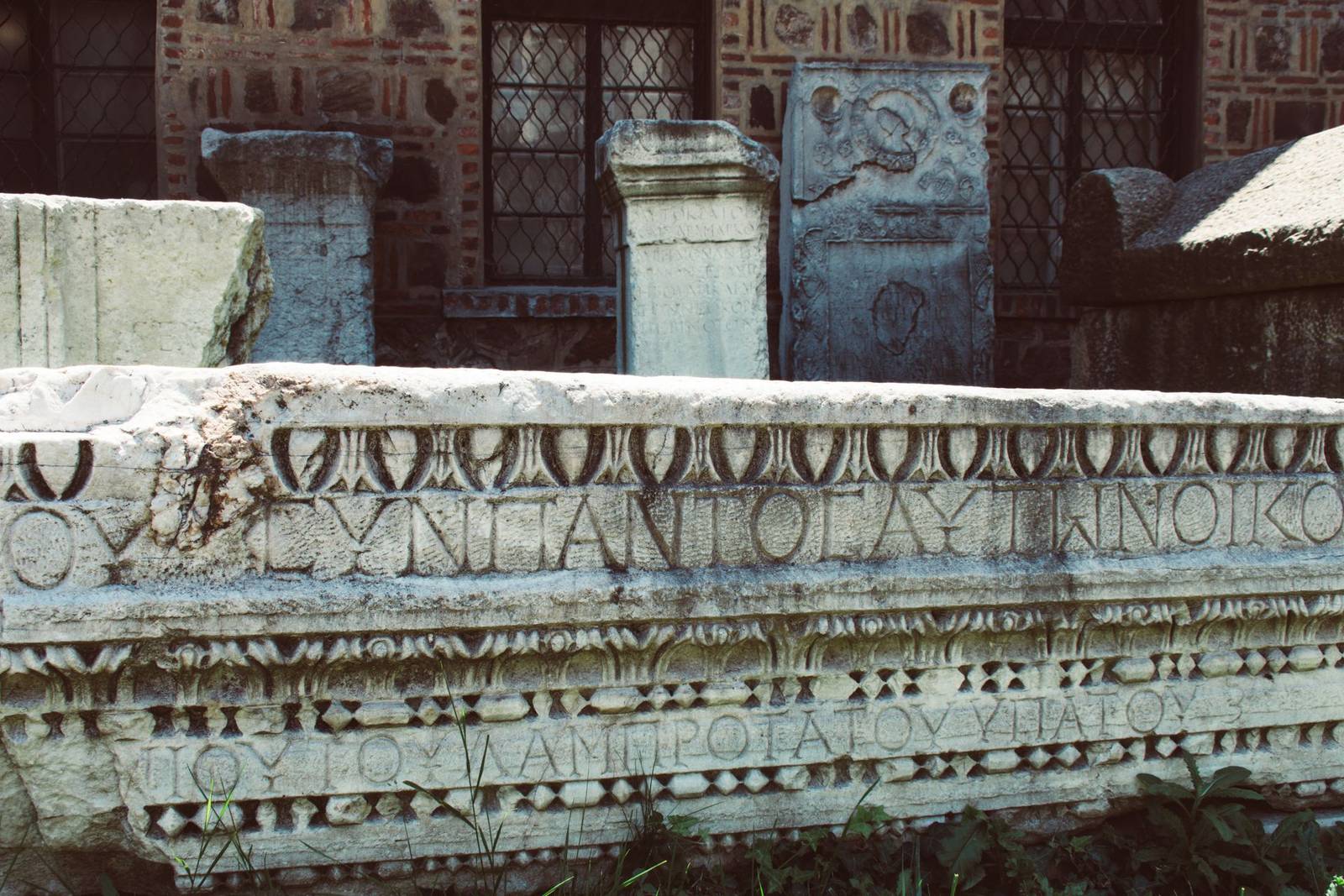
Jehovah-Elyon means “the Lord Most High”. The Hebrew is YHWH ‘elyon: the divine name joined to ‘elyon, an adjective meaning “upper” or “highest”, from the verb “to go up”. The phrase appears in the last verse of Psalm 7, where David promises to “sing praise to the name of Jehovah Most High”, and again in Psalm 47:2. It is not an altar or place name, nor a title fixed in a single formula; it is a line of praise drawn from the Psalms, closely related to the older phrase El Elyon, “God Most High”, first found in Genesis 14. There the priest-king Melchizedek blesses Abram by God Most High, and Abram answers by identifying God Most High with Jehovah. The phrase confesses that the God of Israel is not one god among many, or the highest of a group, but the supreme ruler over all the earth. The New Testament applies this title when the angel announces that Jesus will be called “the Son of the Most High”.
The phrase at the end of Psalm 7
Psalm 7 is the prayer of a man falsely accused. David pleads with God to judge between him and his enemies, and he asks to be judged according to his integrity. The psalm moves through fear and appeal to a settled confidence that God is a righteous judge, and it ends in praise:
I will give thanks unto Jehovah according to his righteousness, And will sing praise to the name of Jehovah Most High.
— Psalm 7:17 (ASV)
The title is chosen with care. A person wronged by others needs a judge who stands above every human court and every hidden motive. To call God “Most High” is to say that there is no appeal beyond him and no power that can overrule him. The psalmist does not take revenge; he hands his case to the highest court there is. The entry on the name in the Psalms shows how often the Psalter joins the name to such confessions.
Melchizedek, Abram and God Most High
The title’s roots go back to Genesis 14. Abram has rescued his nephew Lot from a coalition of kings. On his return he is met by a mysterious figure:
And Melchizedek king of Salem brought forth bread and wine: and he was priest of God Most High. And he blessed him, and said, Blessed be Abram of God Most High, possessor of heaven and earth: and blessed be God Most High, who hath delivered thine enemies into thy hand. And he gave him a tenth of all.
— Genesis 14:18-20 (ASV)
The Hebrew here is El Elyon. The title was known beyond Israel, and the question arises whether Abram shared Melchizedek’s faith. Abram answers it himself a few verses later when he refuses the king of Sodom’s offer:
And Abram said to the king of Sodom, I have lifted up my hand unto Jehovah, God Most High, possessor of heaven and earth,
— Genesis 14:22 (ASV)
Abram joins the personal name, Jehovah, to the title, God Most High. The one whom Melchizedek served as the maker and owner of heaven and earth is the God who called Abram and made covenant with him. This is the ground of the later phrase Jehovah-Elyon.
Higher than every rival
In the Psalms the title often appears where other gods, other nations or other powers seem to compete with the God of Israel. Psalm 97 sets the Lord above them all:
For thou, Jehovah, art most high above all the earth: Thou art exalted far above all gods.
— Psalm 97:9 (ASV)
Psalm 83, one of the verses in which the King James Version prints the name in full, ends with the same confession:
That men may know that thou, whose name alone is Jehovah, art the most high over all the earth.
— Psalm 83:18 (KJV)
(See the entry on Psalm 83:18 for more on that verse.) The same title is common in Daniel, where the most powerful king of the age learns that the Most High rules over human kingdoms and gives them to whom he will (Daniel 4). The title humbles the proud and steadies the anxious. No empire, crisis or accuser stands higher than God.
The Son of the Most High
When the angel Gabriel speaks to Mary, he uses the title of God and applies it to the child she will bear:
He will be great and will be called the Son of the Most High. The Lord God will give Him the throne of His father David,
— Luke 1:32 (BSB)
Christians confess, with the Nicene Creed, that Jesus is the eternal Son of God, “God from God, Light from Light”, of one being with the Father, who became man. To be the Son of the Most High is not to be a lesser god beneath him, but to share his nature and to receive the kingdom promised to David. The letter to the Hebrews also returns to Genesis 14 and presents Melchizedek, priest of God Most High, as a pattern of Christ’s eternal priesthood (Hebrews 7). The entry Is Jehovah the same as Jesus? sets out how the Trinity holds this together.
Praying to the Most High when life is unjust
Psalm 7 gives a model for anyone who has been misrepresented, cheated or accused. Bring the matter honestly to God, as David did, including the request to be examined yourself. Leave judgement with the one who sees everything, rather than taking it into your own hands. Then, even before the matter is settled, give thanks for his righteousness. Where there is real danger or abuse, seek practical help from the proper authorities as well; trusting the Most High does not mean standing alone.
Where Christians differ
The main disagreement concerns Melchizedek. Many interpreters take him as a real priest-king of Salem whom Scripture presents as a type, or pattern, of Christ. Some older Christian writers held that he was an appearance of the Son of God before the incarnation. Jewish tradition sometimes identified him with Shem, the son of Noah. Faithful Christians hold each view; this site leans towards the first, which fits the way Hebrews speaks of him as “made like” the Son of God. All agree on the title he used: God Most High is Jehovah, the maker of heaven and earth.
For reflection
Read Psalm 7 and Genesis 14, then Luke 1:26–38. Name before God any situation where you feel wronged, and entrust it to the Most High. Sing or say Psalm 97 as an act of praise. Worship with your church, where the Son of the Most High is confessed as Lord.
References
- Brown, Driver and Briggs, A Hebrew and English Lexicon of the Old Testament (1906).
- C. F. Keil and F. Delitzsch, Biblical Commentary on the Old Testament: The Pentateuch (English translation, 1864–1865).
- C. H. Spurgeon, The Treasury of David (1869–1885).
- The Nicene Creed (381).
- Matthew Henry, Commentary on the Whole Bible (1708–1710).
Lexicon answers from the Bible and public-domain reference works. It is a study aid and is not affiliated with any organisation.