Jehovah Shalom Bible Verses: The Lord Is Peace
Jehovah Shalom means "The LORD is peace" — the name Gideon gave an altar in Judges 6:24. Here are the key verses and what they mean.
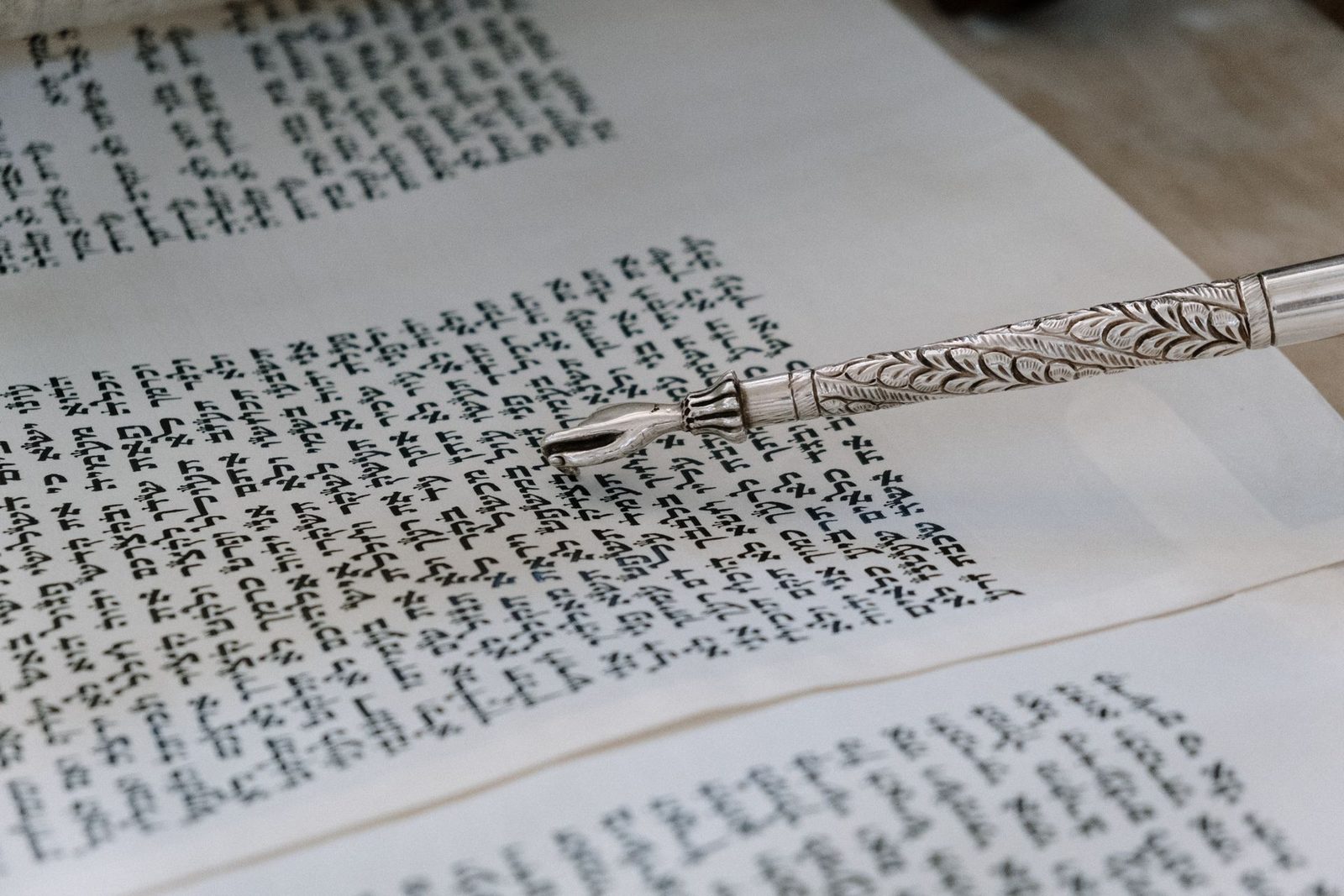
Jehovah Shalom appears in one verse of the Bible. It is the name Gideon gave to an altar he built at Ophrah after the angel of the LORD appeared to him: “So Gideon built an altar to the LORD there and called it The LORD Is Peace” (Judges 6:24, BSB). The Hebrew is יְהוָה שָׁלוֹם — YHWH shalom — and it means “The LORD is peace.” It is not a command to feel calm, and it is not a promise that life will be quiet. It is a confession about who God is. The LORD himself is peace, and Gideon named the place where he met God after that truth. This article gives you the verse, the Hebrew behind it, and the other passages where the Bible ties the LORD’s name to peace.
What does Jehovah Shalom mean in Hebrew?
The first half is the Tetragrammaton, the four consonants YHWH, which English Bibles usually render as the LORD in small capitals and which older translations such as the King James Version and the American Standard Version render as Jehovah. The second half is the Hebrew word shalom. That word is richer than the English word peace. It carries the sense of wholeness, completeness, soundness, welfare and right order. It can describe a quiet border, a repaired relationship, a body made whole, or a life set right with God.
So Jehovah Shalom does not mean the LORD is merely relaxed or inactive. It means the LORD is the source and the substance of wholeness. Where he is present, things are put right. The name is a statement of his character, not a mood he is in.
Where does the name Jehovah Shalom come from?
Judges 6 gives the setting. Israel was oppressed by Midian, and Gideon was threshing wheat in a winepress to hide it. The angel of the LORD came to him and addressed him as a mighty warrior (Judges 6:12). Gideon protested that his clan was the weakest and he was the least. God answered with a promise of deliverance, and Gideon asked for a sign. Fire consumed the offering, and Gideon was afraid he would die because he had seen the angel of the LORD face to face. God told him not to be afraid, because he would not die (Judges 6:23).
Then Gideon built the altar and named it. The name is a memorial of a moment when a frightened man met a holy God and was told that he would live. That is the pattern the name keeps teaching: peace with God is not something we manufacture. It is granted by the God who speaks it.
Which Bible verses connect the LORD with peace?
Judges 6:24 is the only place the exact compound name appears, but the theme runs through Scripture. Several passages speak of the LORD giving peace to his people.
He makes peace at your borders; He fills you with the finest wheat. — Psalm 147:14 (BSB)
That verse is part of a psalm that praises God for his care of Jerusalem. The peace described there is concrete: secure gates, fed children, quiet borders. The same psalm says the LORD takes pleasure in those who fear him and hope in his loving devotion (Psalm 147:11).
Isaiah also joins the LORD’s name to salvation and peace:
Surely God is my salvation; I will trust and not be afraid. For the LORD GOD is my strength and my song, and He also has become my salvation. — Isaiah 12:2 (BSB)
The King James Version renders the divine name in that verse as the LORD JEHOVAH. The point is the same: the LORD himself is the ground of confidence, and confidence is where peace grows.
Psalm 23 is not a Jehovah Shalom text by name, but it is a peace text by content. David confesses, “The LORD is my shepherd; I shall not want” (Psalm 23:1, BSB), and then speaks of walking through the valley of the shadow of death without fear, because God is with him. Peace here is a person, not a circumstance.
Psalm 16 uses another image. David says that the LORD is the portion of his inheritance and of his cup, and that God maintains his lot (Psalm 16:5). A portion and a cup are pictures of settled contentment. When the LORD is your portion, you have enough, and enough is a form of peace.
How is Jehovah Shalom different from the other Jehovah names?
The compound names of God each highlight one aspect of his character, and they often arise from a specific need.
- Jehovah-Jireh — “The LORD Will Provide” — the name Abraham gave the place where God provided a ram in place of Isaac (Genesis 22:14).
- Jehovah-Nissi — “The LORD Is My Banner” — the name Moses gave an altar after Israel prevailed over Amalek (Exodus 17:15).
- Jehovah-Shalom — “The LORD Is Peace” — Gideon’s altar in Judges 6:24.
- Jehovah-Rapha — “The LORD Who Heals” — the promise given at Marah (Exodus 15:26).
- Jehovah-Tsidkenu — “The LORD Our Righteousness” — the name given to the coming righteous Branch (Jeremiah 23:6).
Each name is a window into the same God. They are not different deities or separate powers. They are the one LORD, revealed in the way his people needed him at that moment.
Does Jehovah Shalom promise peace in every situation?
The name tells us what God is like. It does not tell us that every circumstance will be calm. Gideon received the name at an altar, and he still had to go into battle against Midian. The peace he received was not the removal of the conflict; it was the assurance that God was with him in it.
That distinction matters. The Bible speaks of peace with God, peace from God, and peace among people. Peace with God is settled by what God himself does. Peace from God is his gift to those who trust him, and it can hold steady even when life is hard. Peace among people is something we are called to pursue, but it is not always granted, because other people have wills of their own.
When you read a name like Jehovah Shalom, read it as a statement about God’s character first. Then ask what it means for you to trust that character in the situation you are actually in. That is the order the Bible keeps.
How should we use a name like this today?
Names like Jehovah Shalom are not formulas. You do not say them to unlock a result. They are confessions of faith, and they are meant to be prayed, sung and remembered. Gideon built an altar and gave it a name so that the place would keep preaching to him and to Israel after the moment had passed.
A few habits can help you do the same.
- Read the passage in context. Judges 6 is a story of fear, weakness and deliverance. The name makes sense inside that story.
- Pray the name back to God. Tell him what you are facing and ask him to be what his name says he is.
- Use a faithful translation. The Berean Standard Bible, the King James Version and the American Standard Version all render the divine name consistently, so you can see where the Hebrew has YHWH.
- Talk with your pastor or a trusted believer. A name like this is best understood in the company of the church, not in isolation.
If you are struggling with anxiety or despair, speak with a pastor and with a doctor or licensed counsellor. Peace with God is a real gift, and so is the help God gives through ordinary means.
What is the peace that Jehovah Shalom gives?
The deepest peace the Bible describes is not a feeling. It is a person. The prophets looked forward to a child who would be called “Prince of Peace” (Isaiah 9:6), and the New Testament announces that Jesus Christ is the one through whom peace with God is made. The altar at Ophrah pointed forward to a greater meeting place, where God and sinners are reconciled.
That is why the name Jehovah Shalom is worth learning. It tells you who God is: the LORD who is wholeness, who speaks peace to frightened people, and who does not leave them in their fear. Read Judges 6 again. Read Psalm 147 and Psalm 23. Pray the words back to God. And do it with your local church, where these truths are taught and lived out with others.
If you are in crisis, help is available. In the United States and Canada, call or text 988. In the United Kingdom and Ireland, call Samaritans on 116 123. In Australia, call Lifeline on 13 11 14. Anywhere else, visit findahelpline.com or call your local emergency number.
Questions readers ask
What does Jehovah Shalom mean?
Jehovah Shalom means “The LORD is peace.” It combines the divine name YHWH (rendered “the LORD” or “Jehovah”) with the Hebrew word shalom, which means wholeness, completeness and well-being. It is the name Gideon gave to an altar in Judges 6:24.
Where is Jehovah Shalom found in the Bible?
The exact name appears once, in Judges 6:24, where Gideon builds an altar to the LORD and calls it “The LORD Is Peace.” The theme of the LORD giving peace appears in many other passages, such as Psalm 147:14, Isaiah 12:2 and Psalm 23.
Is Jehovah Shalom a promise that I will feel peaceful?
The name describes God’s character, not a guarantee about your feelings. It tells you that the LORD himself is the source of wholeness and that he grants peace to those who trust him. That peace can hold even when circumstances are difficult.
How is Jehovah Shalom different from Jehovah Jireh or Jehovah Nissi?
Each compound name highlights one aspect of God’s character revealed in a specific situation. Jehovah Jireh means “The LORD Will Provide,” Jehovah Nissi means “The LORD Is My Banner,” and Jehovah Shalom means “The LORD Is Peace.” They all refer to the same God.
Lexicon answers from the Bible and public-domain reference works. It is a study aid and is not affiliated with any organisation.