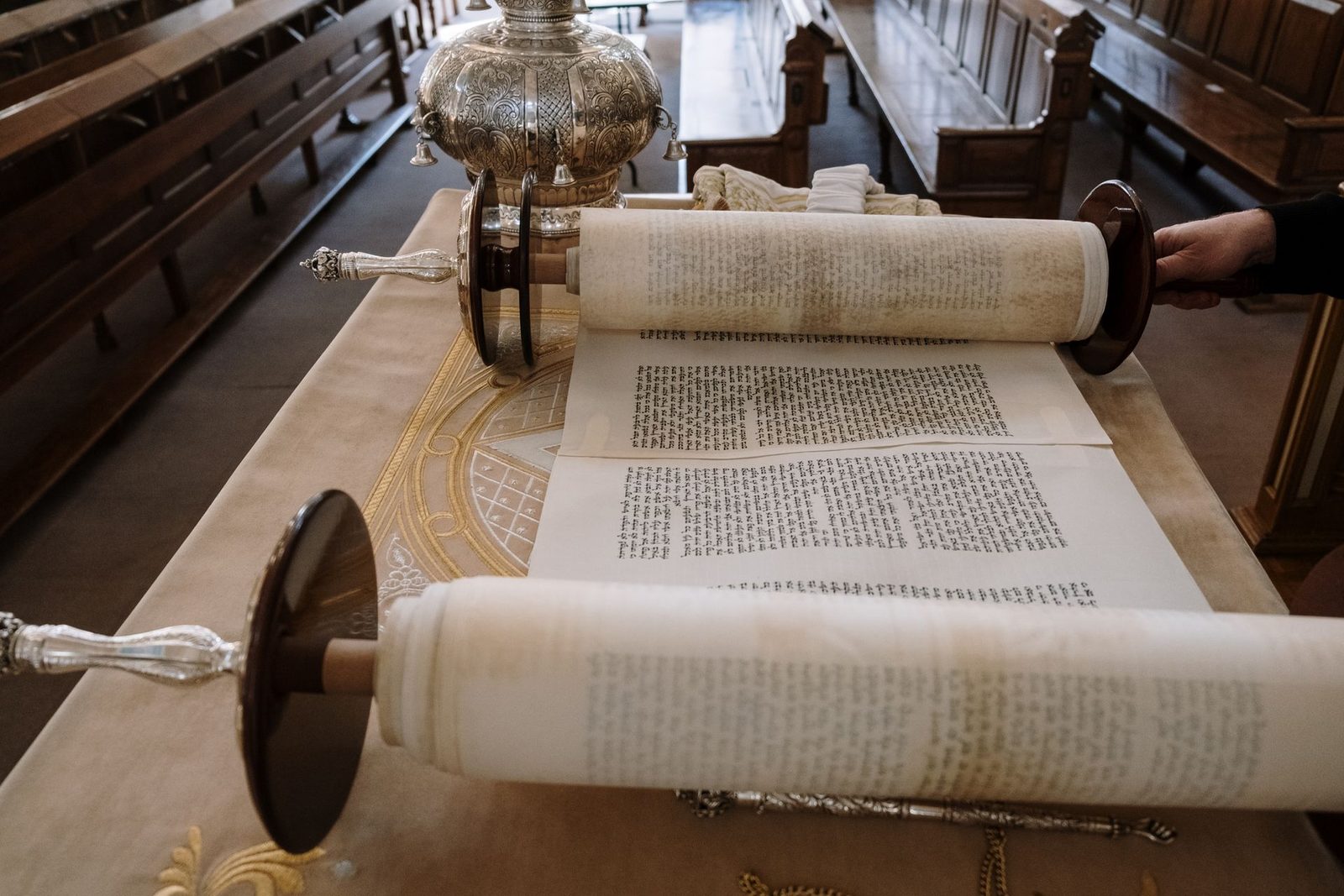
The tetragrammaton is the four-letter Hebrew name of God — YHWH — which English Bibles have often rendered Jehovah or LORD. Many readers ask whether this name, written or spoken, works as a protection: a charm, a shield, a word that keeps harm away. Scripture never presents the name that way. What it does present, again and again, is the God who bears the name as a refuge for those who trust Him. The name is not a spell; it is a revelation of who God is — the self-existent, covenant-keeping Lord — and the protection the Bible promises flows from a relationship with Him, not from the letters themselves. Psalm 121, a song of God’s keeping, makes the point plainly:
I will lift up mine eyes unto the hills, from whence cometh my help. My help cometh from the LORD, which made heaven and earth. — Psalm 121:1-2 (KJV)
Where does the Bible use the divine name for protection?
The Hebrew text uses YHWH throughout the psalms of defence. Psalm 59, written when Saul’s men watched David’s house to kill him, ends with the name and the picture together:
But I will sing of thy power; yea, I will sing aloud of thy mercy in the morning: for thou hast been my defence and refuge in the day of my trouble. — Psalm 59:16 (KJV)
Notice the grammar. God is the defence; the name identifies which God is being addressed. The same pattern runs through the Old Testament. Genesis 15:1 calls God Abram’s shield. Deuteronomy 33:29 calls Him the shield of Israel’s help. Psalm 18:2 piles up images — rock, fortress, deliverer, shield. Proverbs 18:10 says the name of the LORD is a strong tower into which the righteous run and are safe. That verse is the closest the Bible comes to linking the name itself with safety, and even there the running is done by the righteous — those already in covenant relationship with Him.
Does saying or writing the name give protection?
No passage in Scripture treats the tetragrammaton as an amulet. The closest biblical practice is the phylactery: small leather cases containing Scripture portions, worn on the forehead and arm. The Greek word behind phylactery means defence or protection, and the passages inside included the Shema and its call to love the LORD with all the heart. But the protection intended was the reminder of God’s commands, not the parchment itself. Jesus criticised the enlarging of these cases for display (Matthew 23:5), not the practice of wearing them. In the ancient world, amulets and incantations were common; Israel was repeatedly warned away from them and pointed instead to the LORD Himself. The name was to be hallowed, called upon, trusted, and praised — never manipulated.
What kind of protection does God actually promise?
Scripture promises protection of a particular kind. Psalm 121 goes on:
The LORD shall preserve thee from all evil: he shall preserve thy soul. The LORD shall preserve thy going out and thy coming in from this time forth, and even for evermore. — Psalm 121:7-8 (KJV)
That is a promise of preservation, not of a trouble-free life. David wrote Psalm 59 while surrounded by enemies; the psalm ends in song, not in escape from every danger. The protection God gives is first of the soul — kept from sin, kept in faith, kept unto eternal life. It also includes providential care: the Lord who neither slumbers nor sleeps watches over His people. But it does not mean that believers never suffer. The New Testament armour includes a shield — faith — with which to extinguish the flaming arrows of the evil one (Ephesians 6:16). Faith is the shield, not a word.
How do Christians today treat the divine name?
Here Christians differ in practice, not in doctrine. Some traditions, following the KJV and ASV, read and sing Jehovah in the psalms and prophets. Others, following the long Jewish custom of reading Adonai in place of the written name, say the LORD in English. Still others use Yahweh as a scholarly reconstruction. All agree that the name reveals the God who is, who was, and who is to come, and that He alone is the refuge of His people. The name is holy because the One who bears it is holy. It is not a formula to be repeated for safety, but a person to be trusted.
What should I do if I am afraid?
Run to the tower, not to the letters. Proverbs 18:10 says the righteous run into the name of the LORD and are safe — that is, they take refuge in the God the name reveals. Psalm 121 begins with lifted eyes, not with a written word. Prayer, trust, obedience, and the fellowship of a local church are the ordinary means God uses to keep His people. If you are in danger or distress, speak with a pastor or trusted believer, and take practical steps for your safety. The Lord who keeps Israel is the same Lord who invites you to cast your care on Him.
If you are in crisis, help is available. In the United States and Canada, call or text 988. In the United Kingdom and Ireland, call Samaritans on 116 123. In Australia, call Lifeline on 13 11 14. Anywhere else, visit findahelpline.com or call your local emergency number.
Scripture never turns the tetragrammaton into a charm, but it does turn it into a confession: the LORD is my rock, my fortress, my deliverer. Read Psalm 121 and Psalm 59 slowly. Pray them. Let the name lead you to the God who bears it, and let that God be your refuge.
Questions readers ask
Is the tetragrammaton a protection amulet?
No. The Bible never presents the four-letter name as an object that wards off harm. It presents the God who bears the name as a refuge for those who trust Him. The name reveals who God is; it is not a spell or a charm.
What does Proverbs 18:10 mean by ‘the name of the LORD is a strong tower’?
It means that God Himself is the safe place. The righteous run into it — that is, they take refuge in the LORD, not in the letters of His name. The verse is about relationship and trust, not about reciting a word.
Why do some Bibles say ‘Jehovah’ and others ‘LORD’?
The Hebrew text has YHWH, the tetragrammaton. Jewish readers traditionally said Adonai (‘Lord’) instead of speaking the name aloud, and many English Bibles follow that custom with ‘LORD’ in small capitals. Others, like the KJV and ASV, use ‘Jehovah’ in many places. Both are attempts to render the same divine name.
Does God promise to keep believers from all harm?
He promises to preserve His people — soul and life — and to be with them in trouble. Psalm 121 promises that He will keep your going out and your coming in. That is a promise of His faithful care, not a guarantee of a pain-free life. Believers still face hardship, but never alone.
Lexicon answers from the Bible and public-domain reference works. It is a study aid and is not affiliated with any organisation.